For ship interior fitting with sandwich cores & components for hull and deck construction
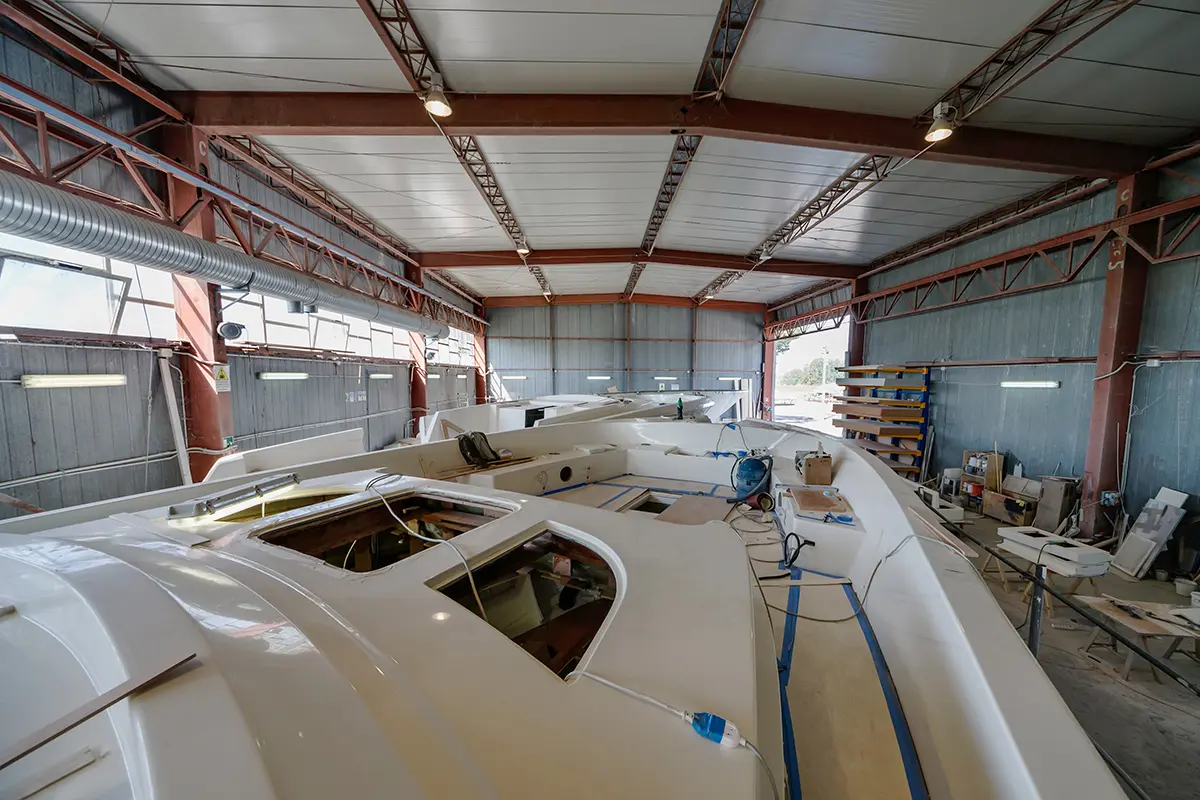
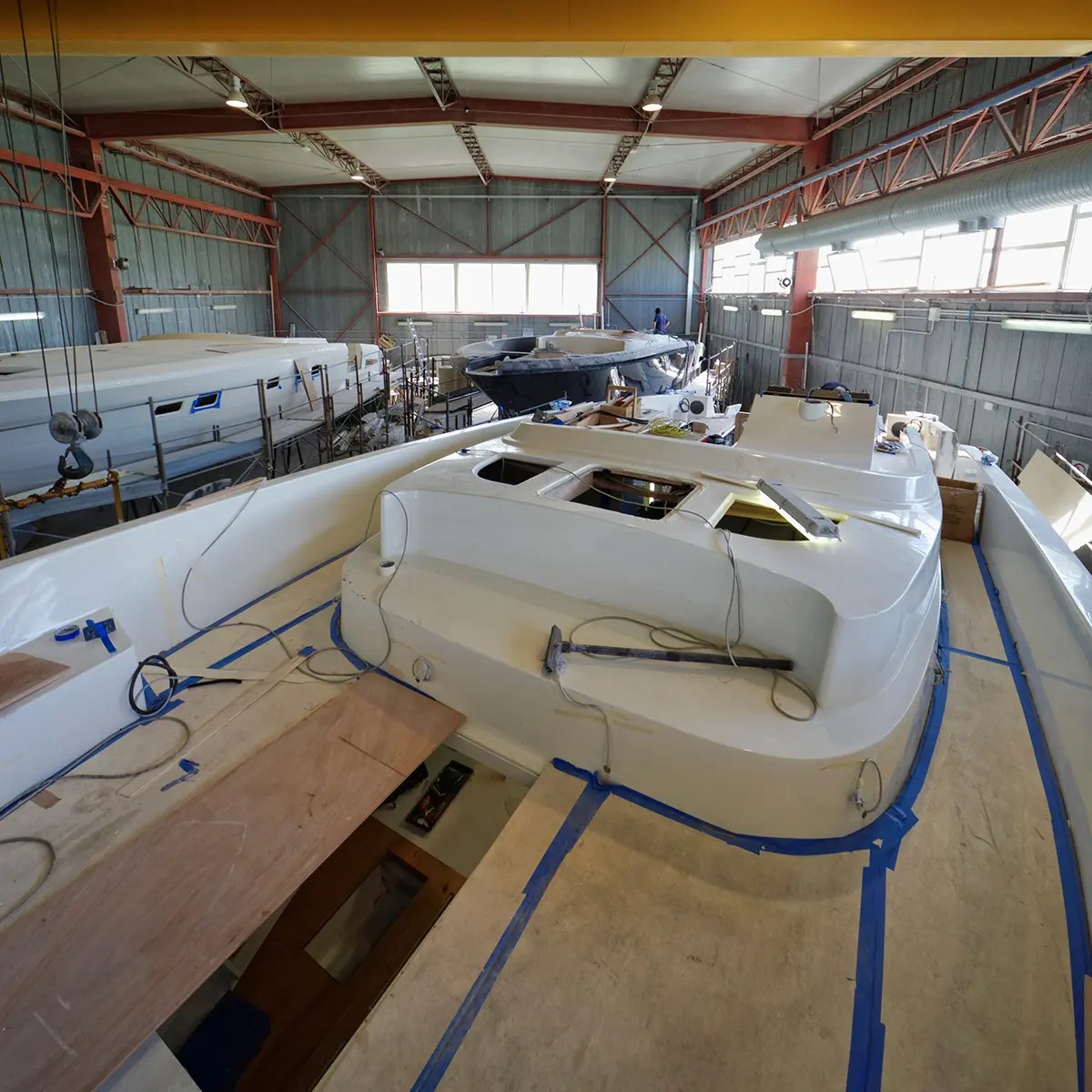
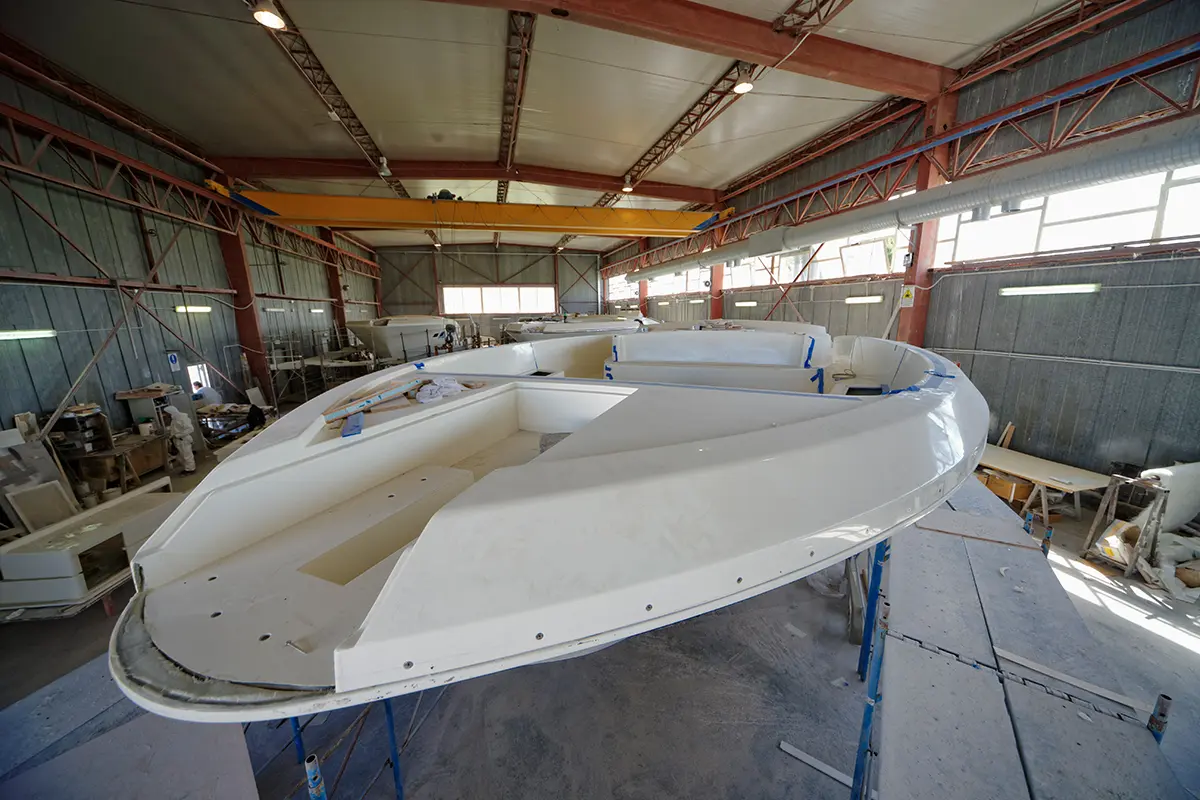
COMPACFOAM in yacht building – lighter. More stable. Directly screwable
No pre-drilling, directly edgeable and coatable – developed for the requirements of modern yacht building.
request nowscrewable
SALT WATER RESISTANT
70% lighter than wood
Screwable without pre-drilling
Dimensionally stable
isotropic
Open to diffusion
Insensitive to moisture
highly resilient
light
Formaldehyde-free
recyclable
screwable
SALT WATER RESISTANT
70% lighter than wood
Screwable without pre-drilling
Dimensionally stable
isotropic
Open to diffusion
Insensitive to moisture
highly resilient
light
Formaldehyde-free
recyclable
A modern construction material for yacht building
Click the button below to load YouTube content. This will share data with third-party providers.
More InformationApplications in yacht building
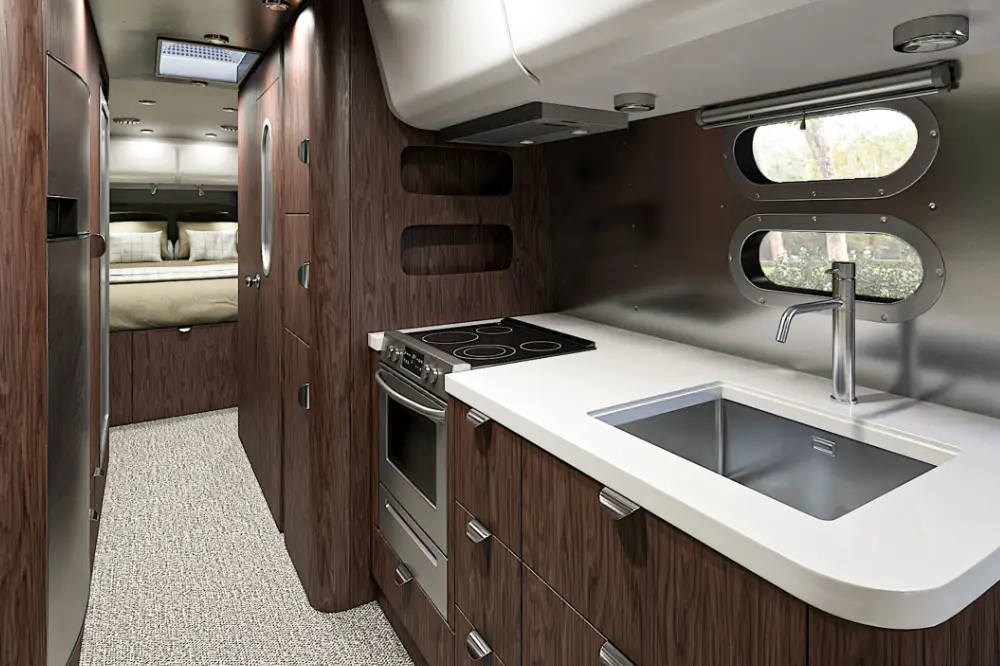
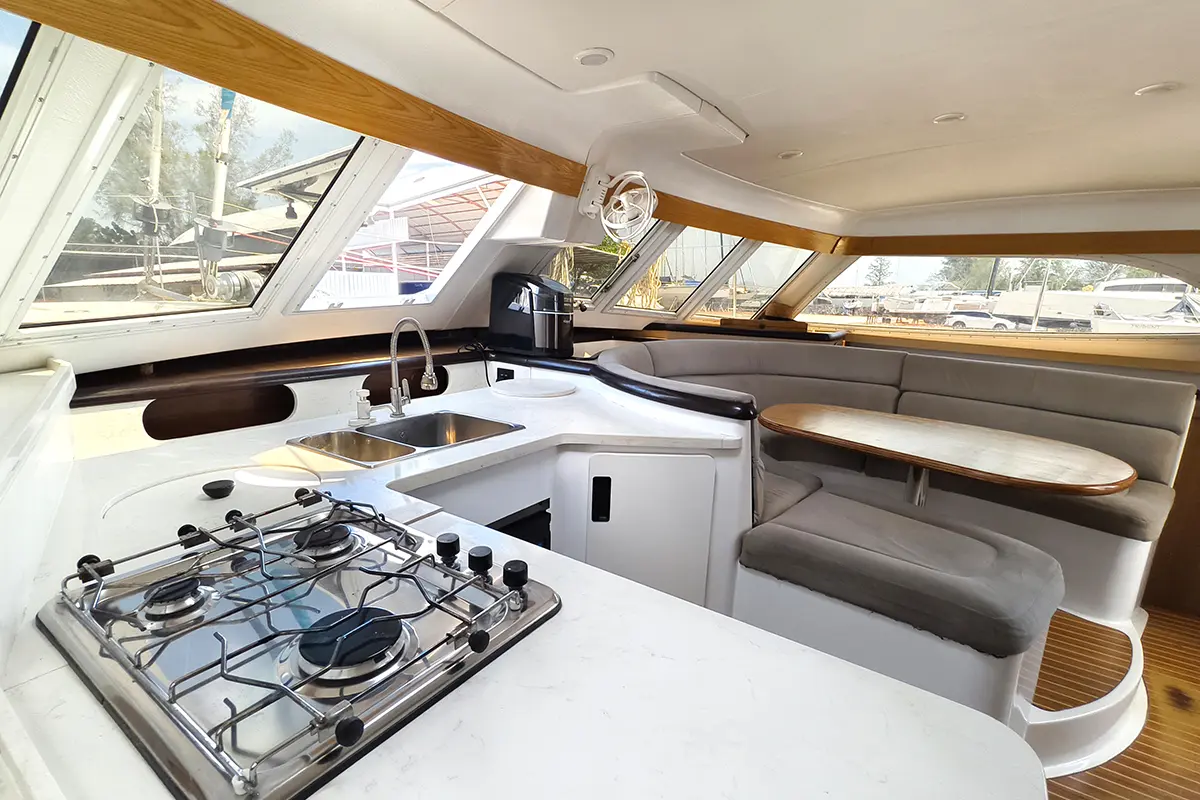
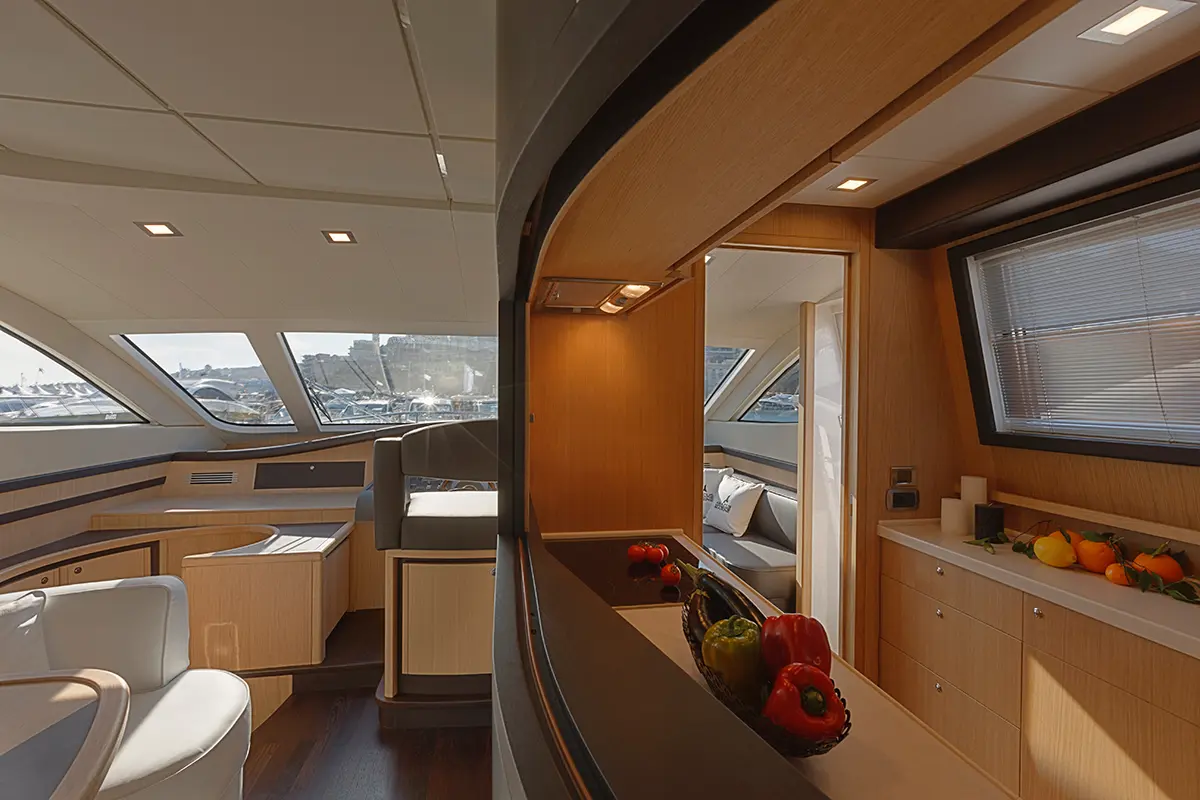
Interior fittings
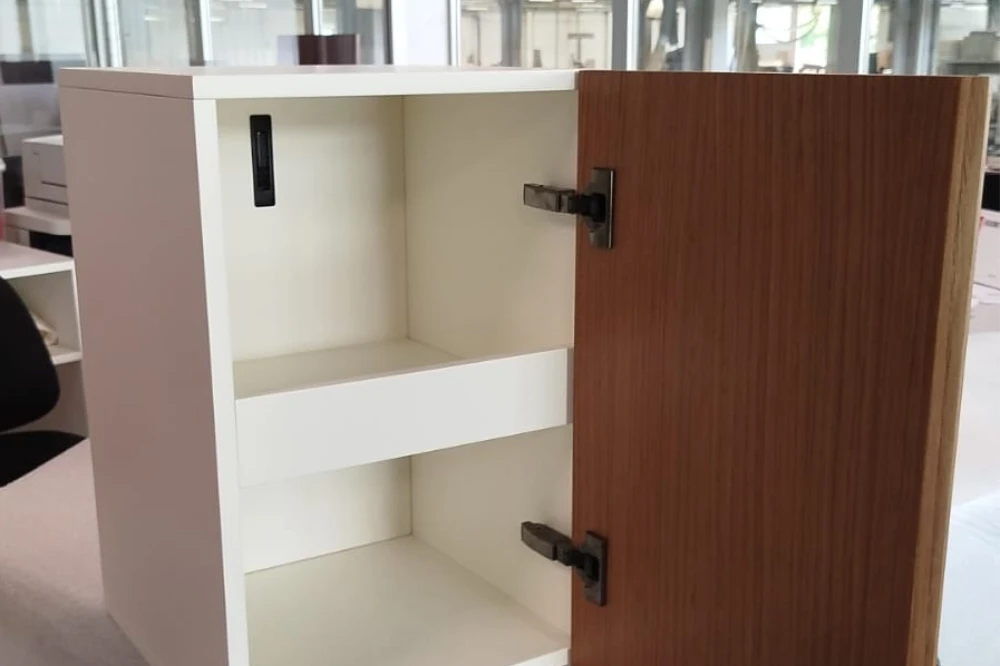
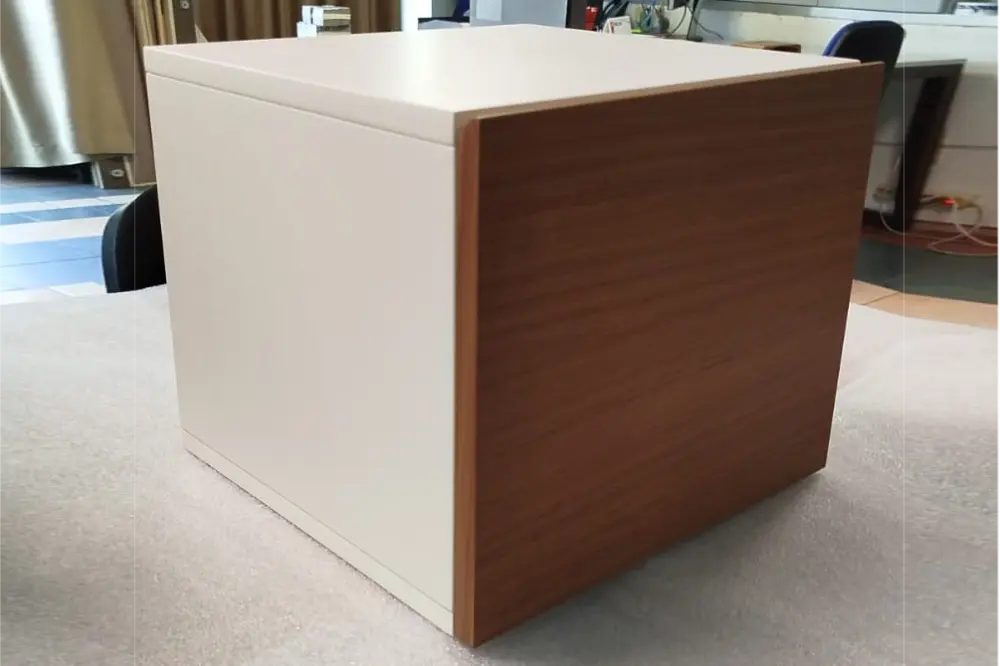
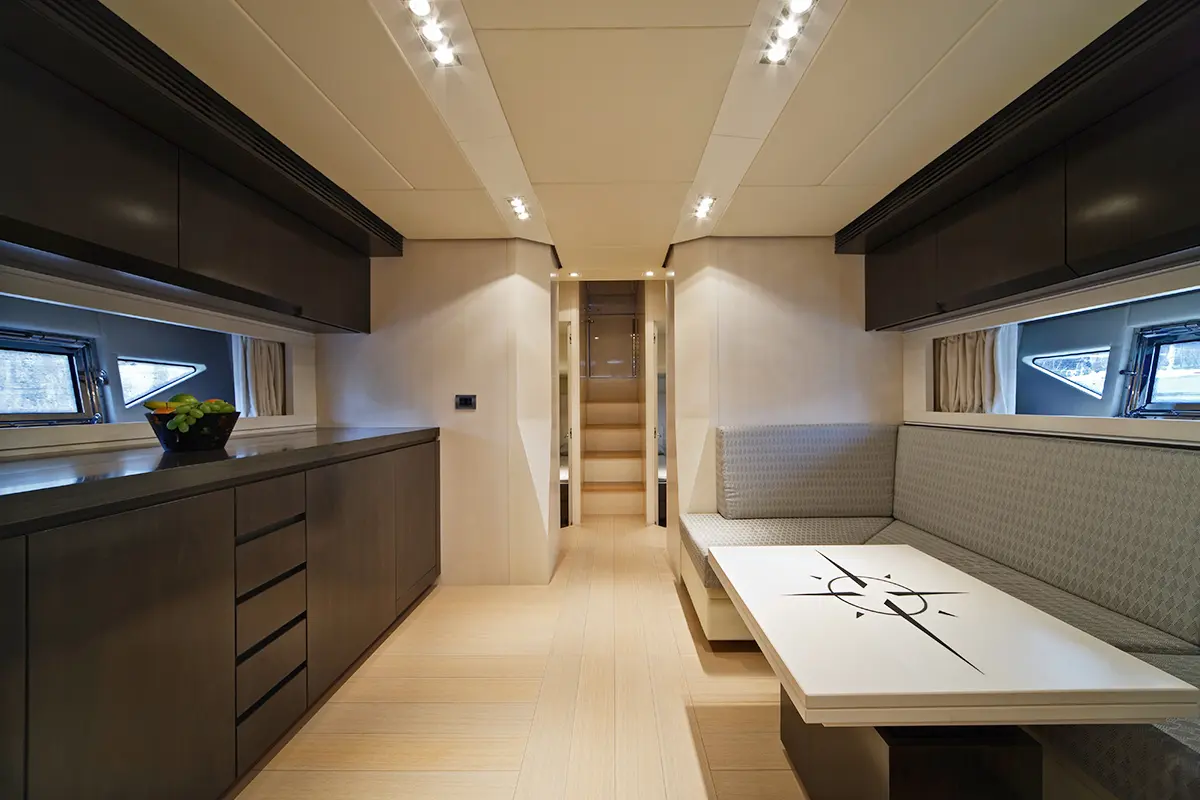
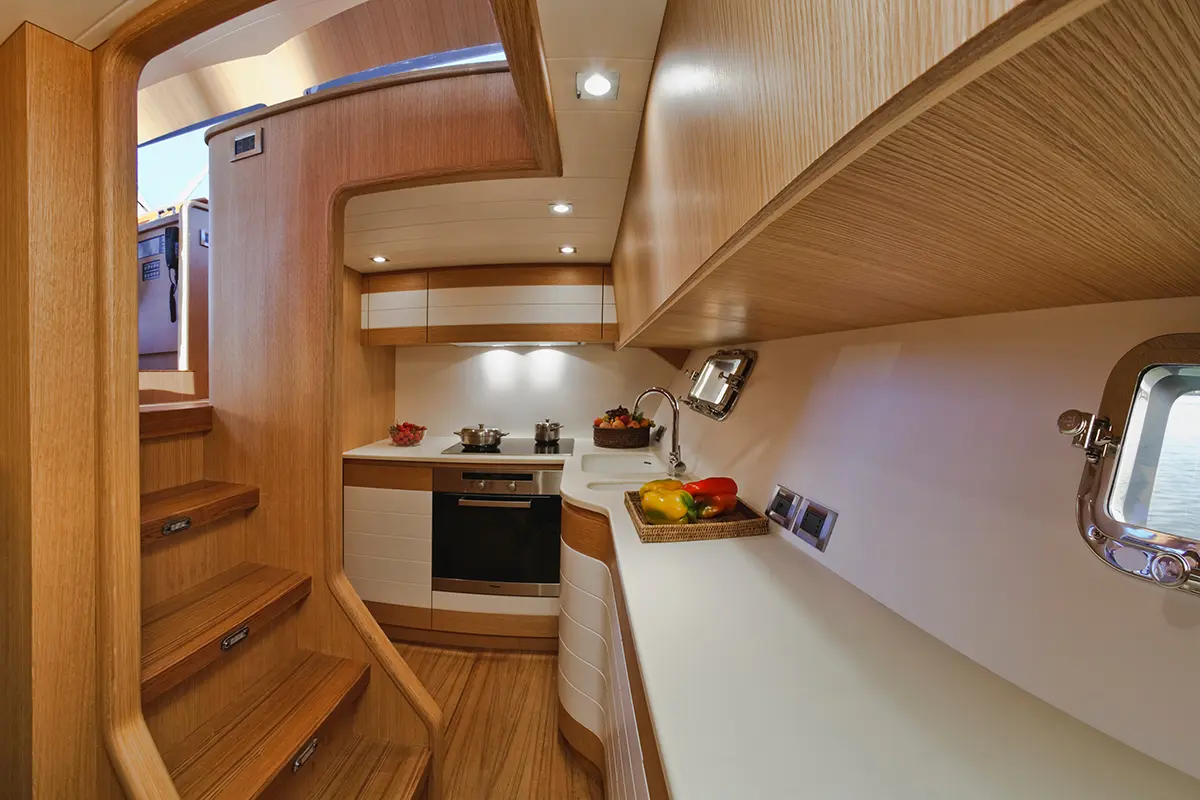
Furniture and furnishings
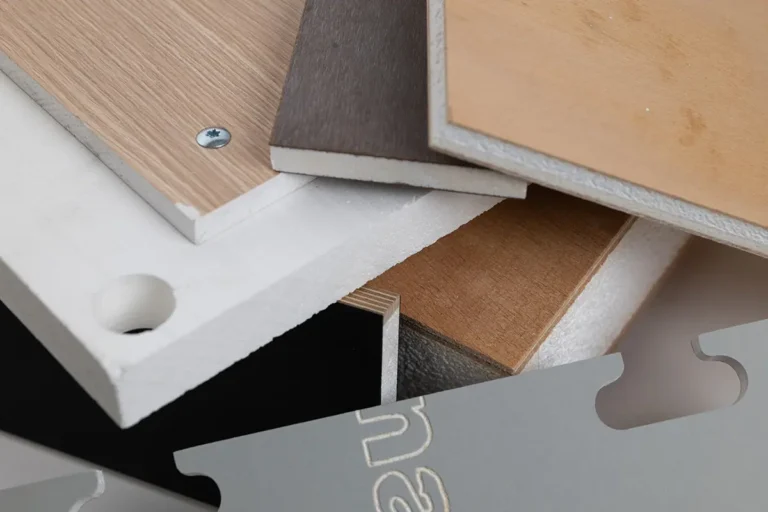
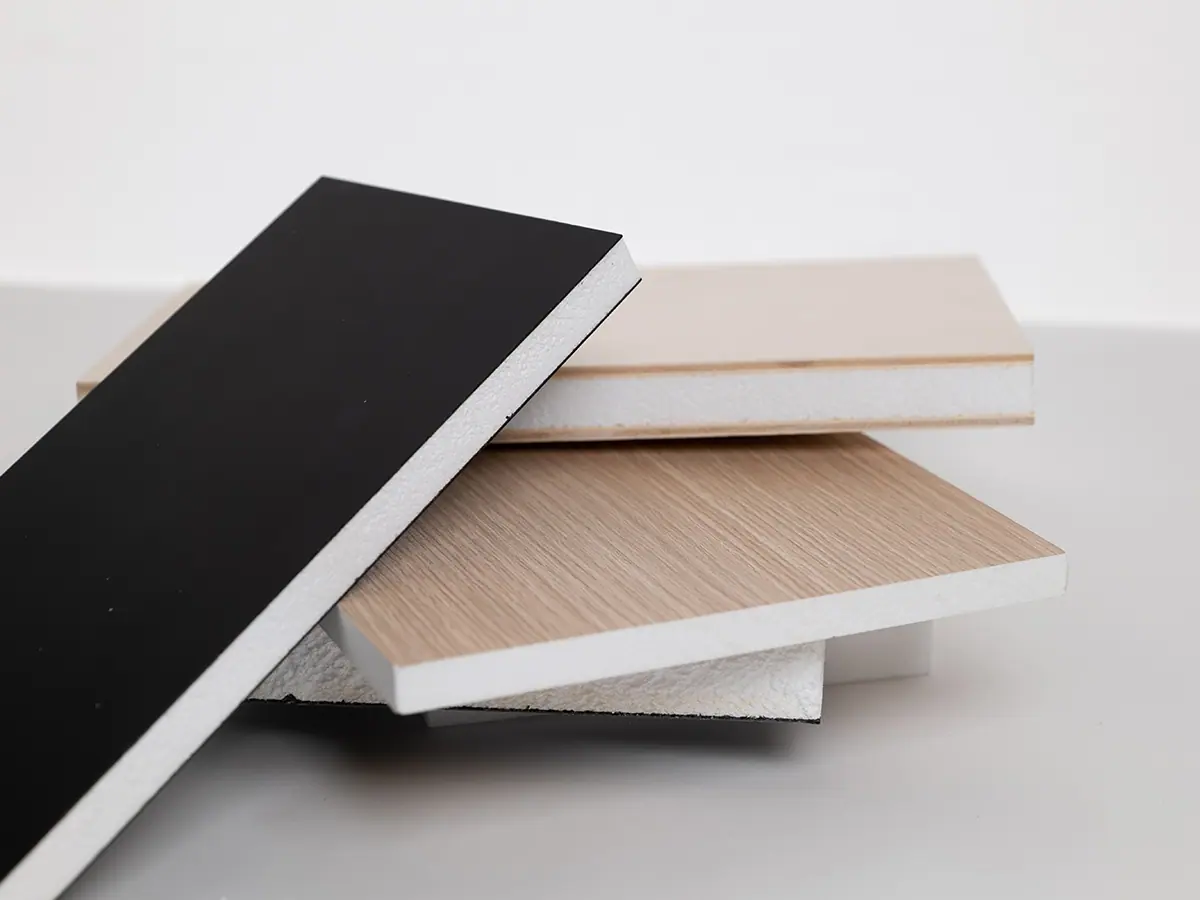
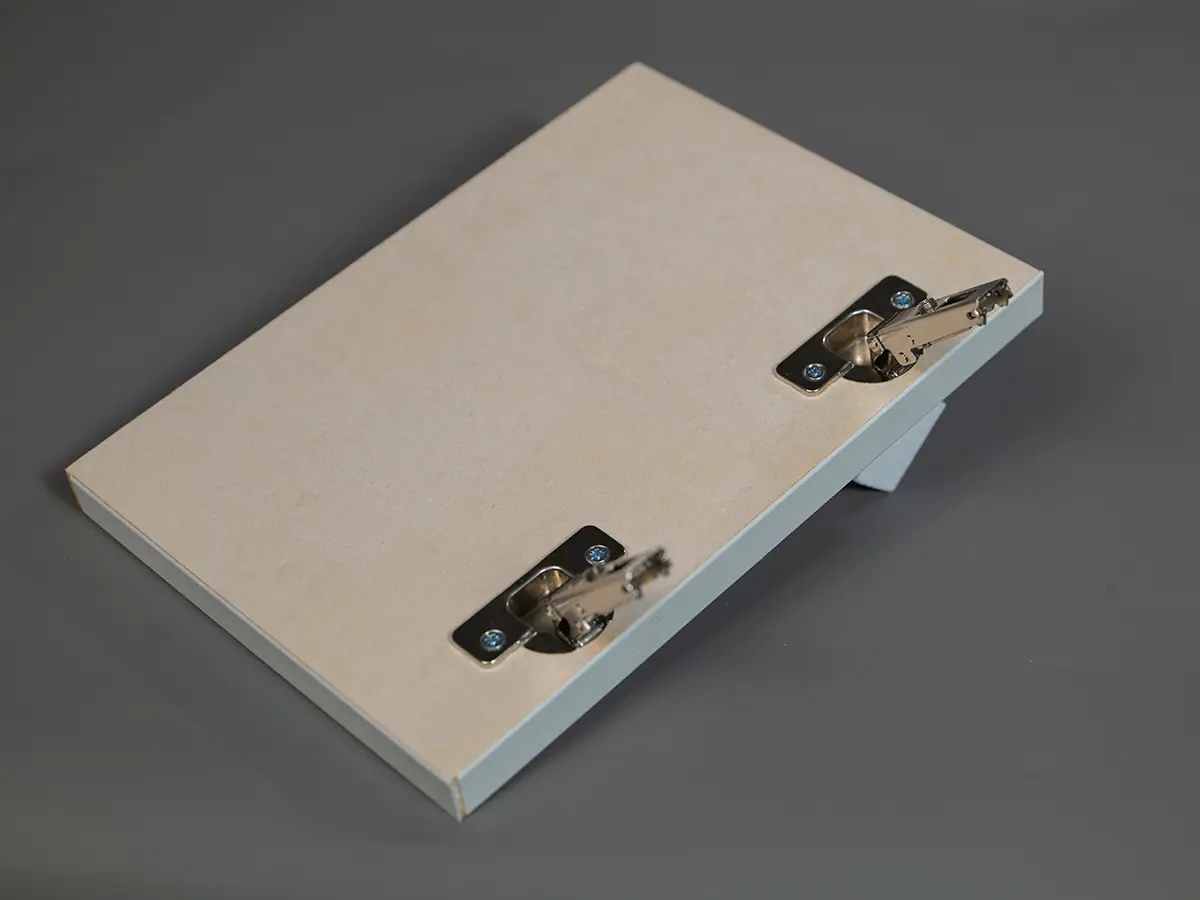
COMPACFOAM panels process exactly like wood-based panels – with the same machines, the same fittings, the same adhesives. The difference shows in the result: No warping, no swelling, no outgassing, and up to 60% weight reduction.
Cupboards, bunks, table tops
Partition walls and room dividers
Wet rooms and sanitary areas
Floor structures, ceiling constructions
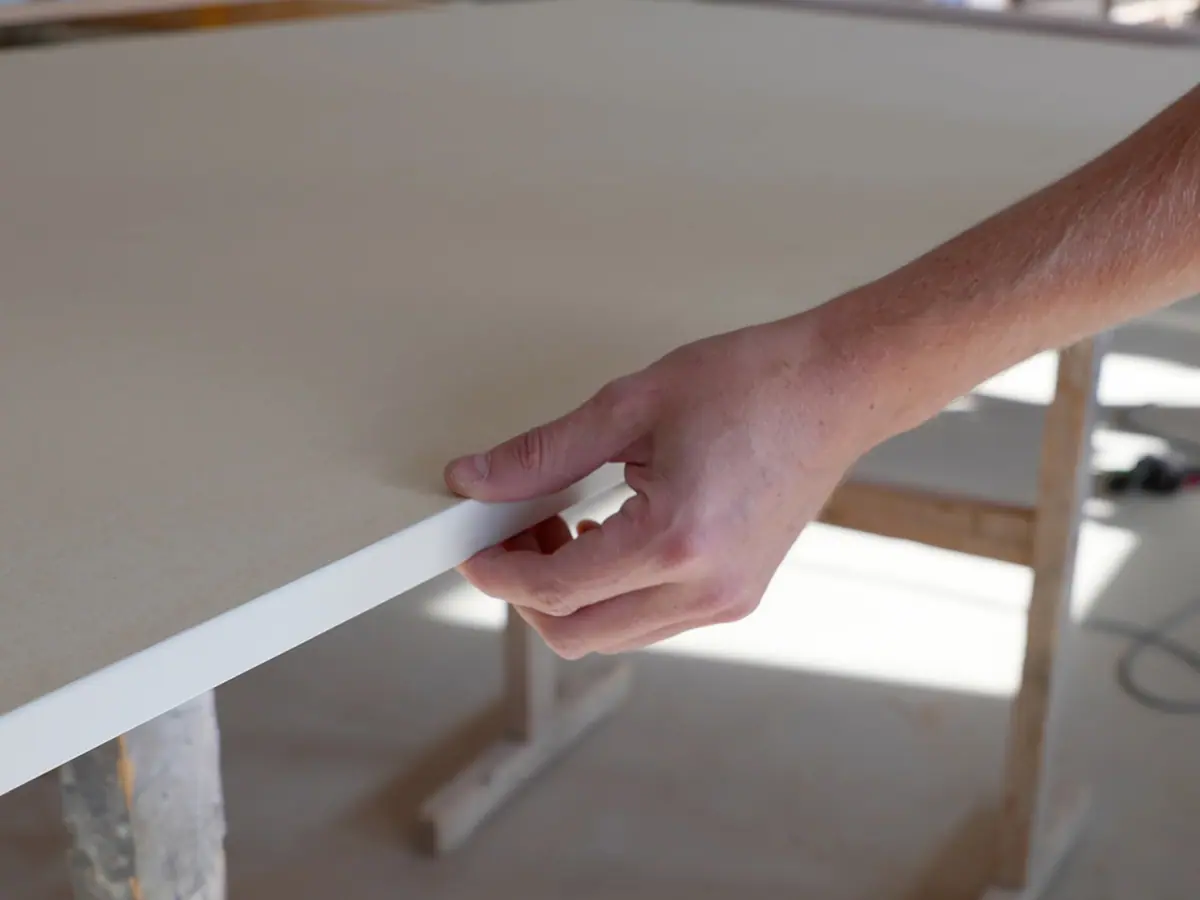
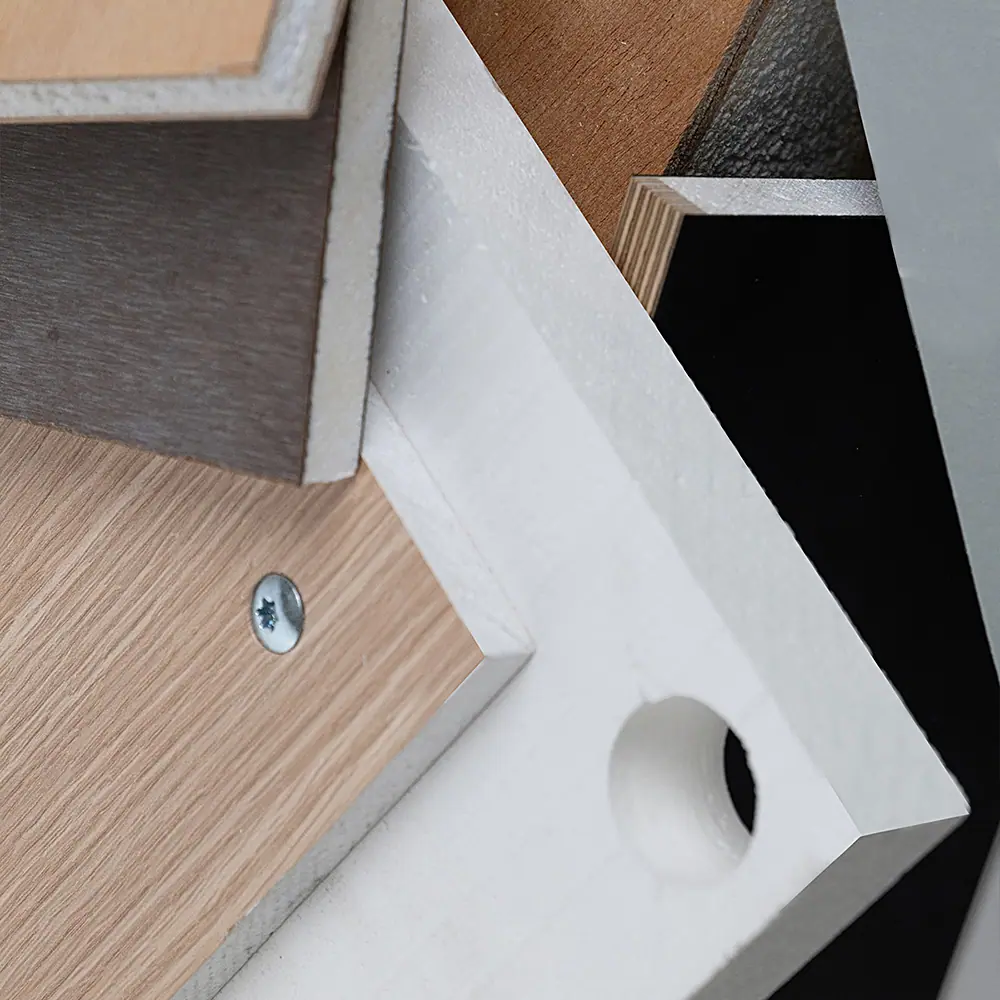
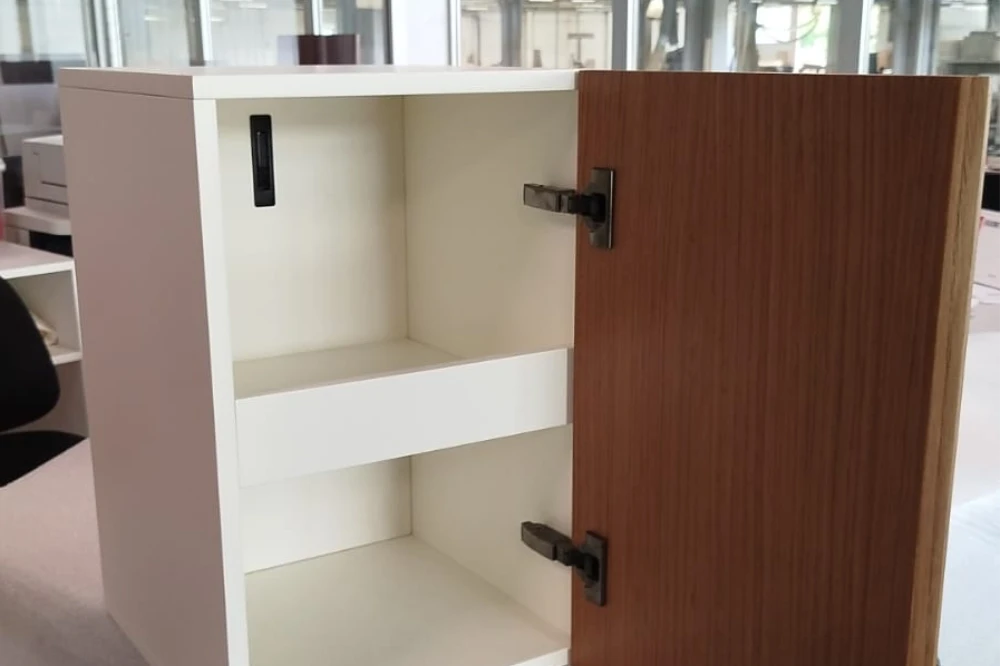
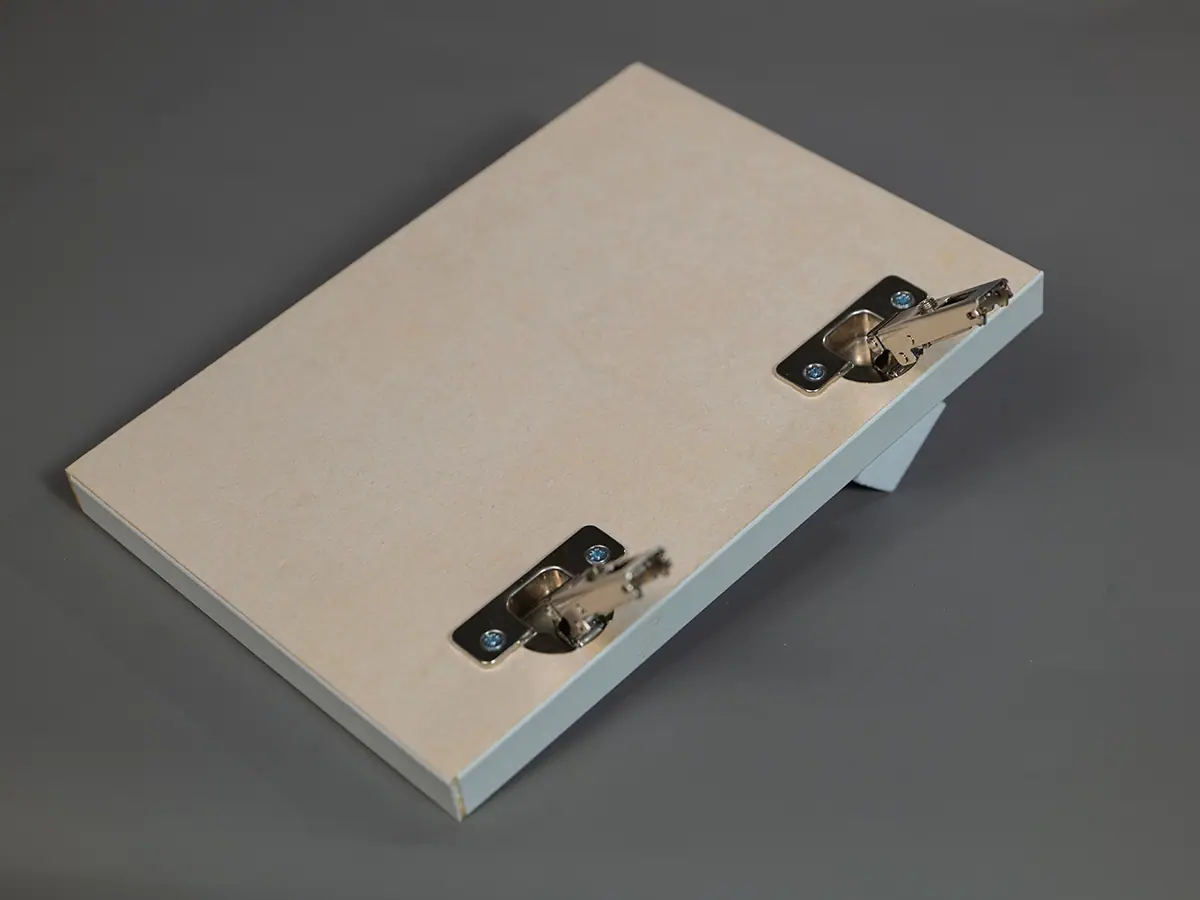
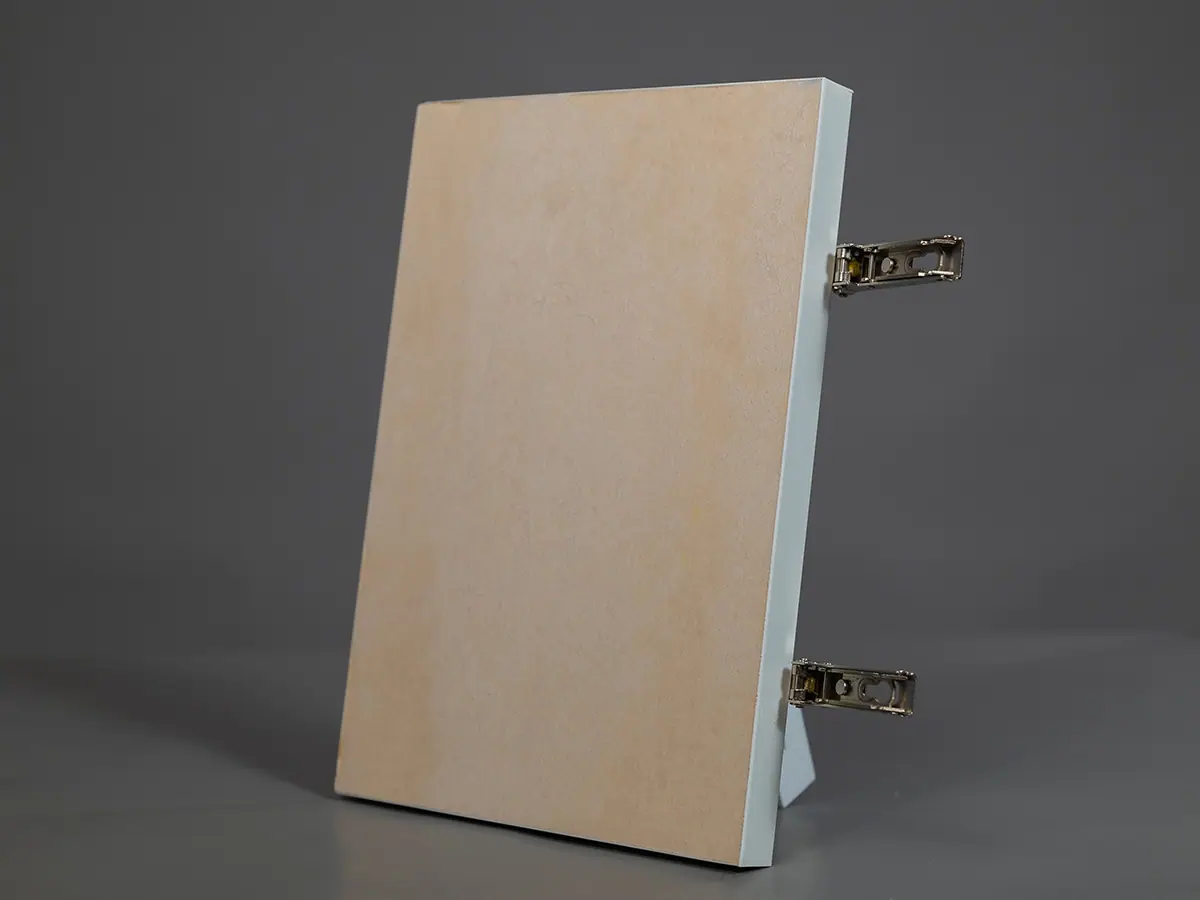
Direct screwing of fittings without dowels
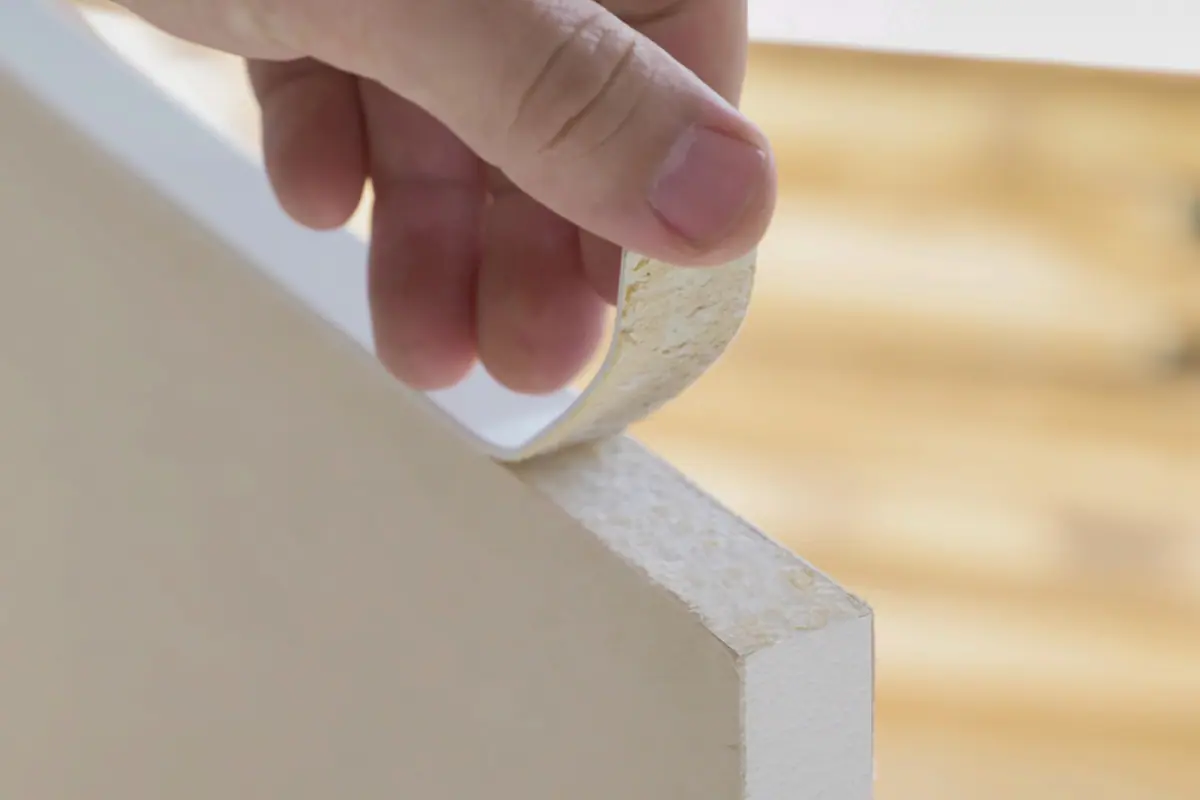
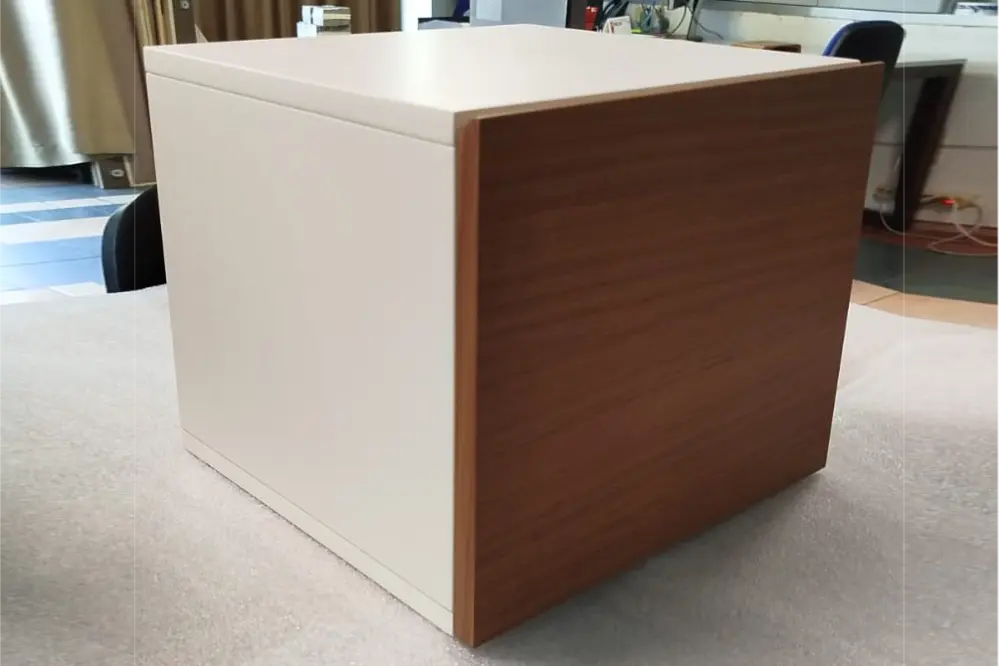
Apply edge banding as with wood-based materials – no pre-treatment required
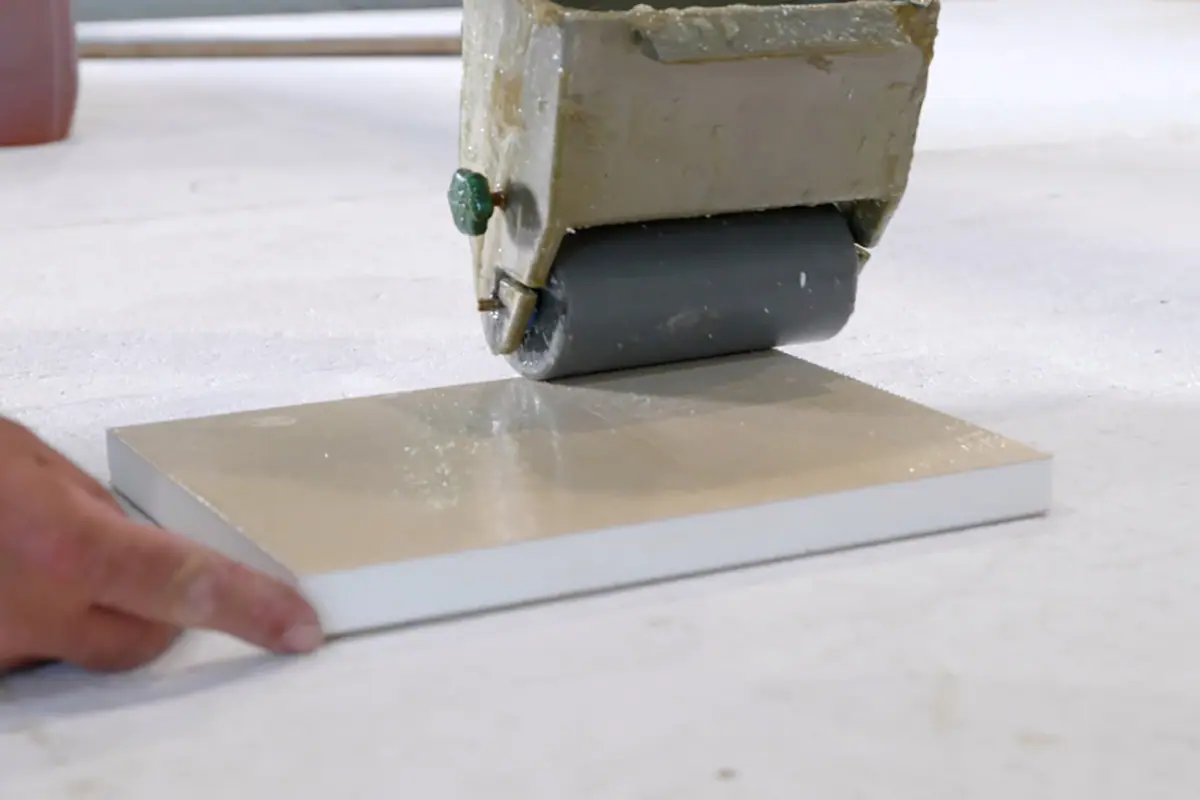
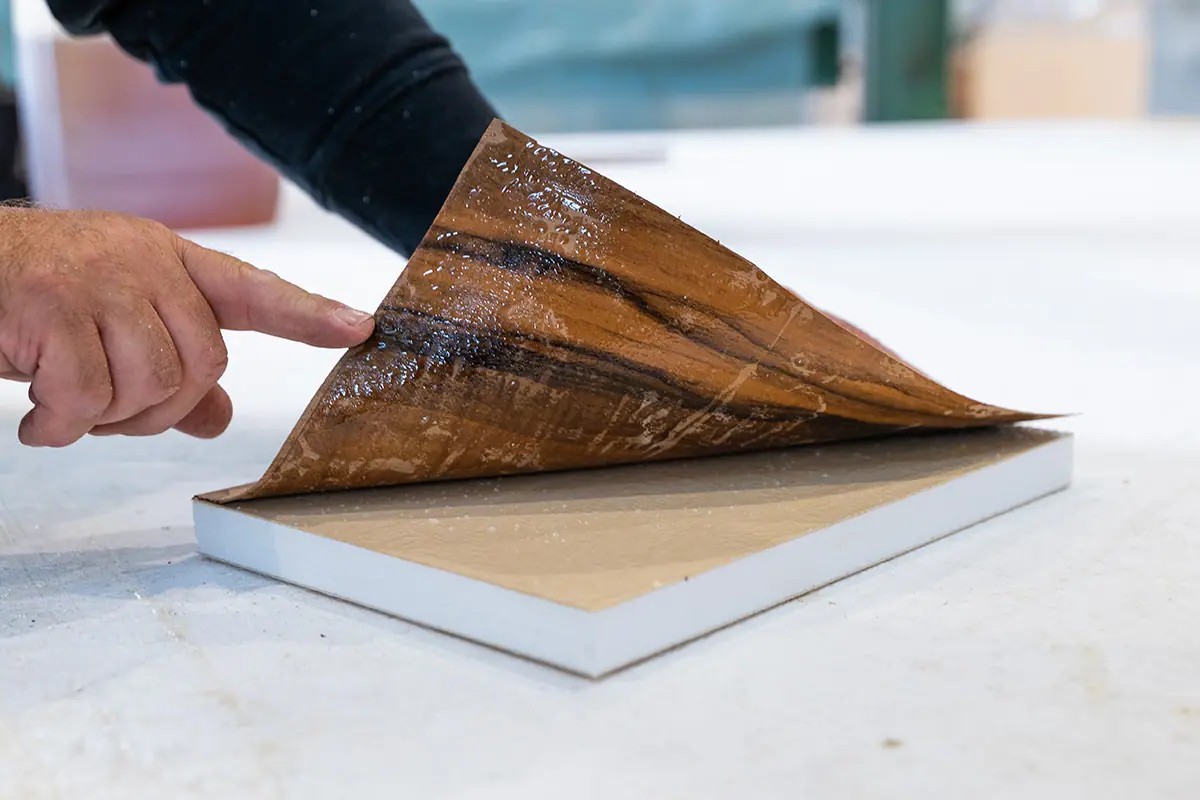
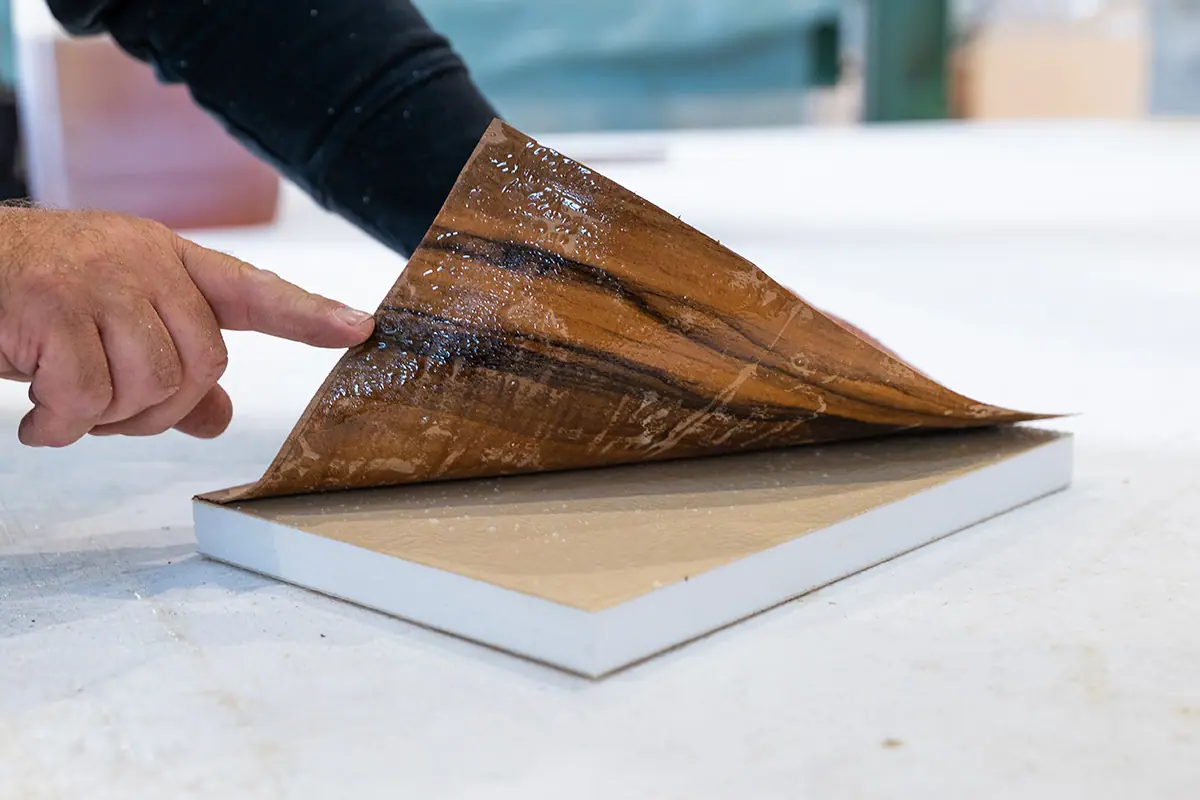
Can be coated with HPL, veneer, laminate or GRP
Up to 60% lighter than marine plywood
Formaldehyde-free – compliant with EU limit values from 2026
Custom dimensions on request – often cheaper than standard panels due to zero offcut waste
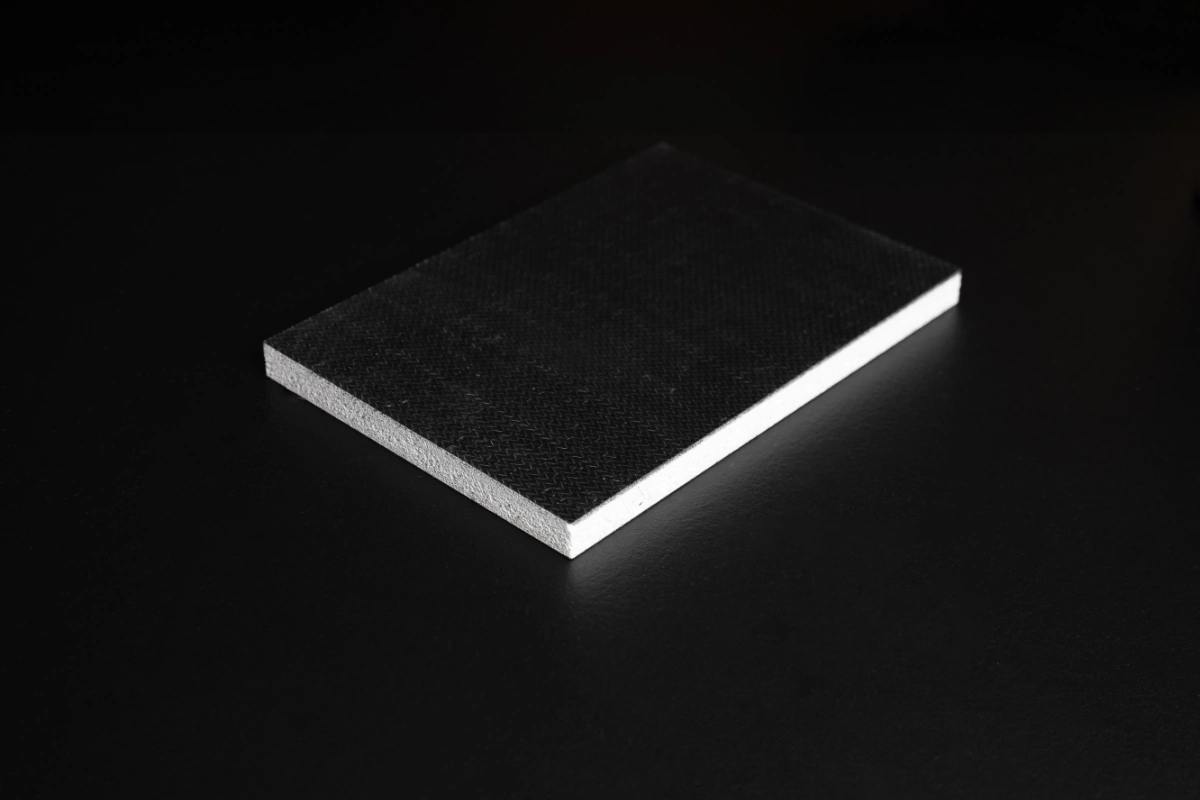
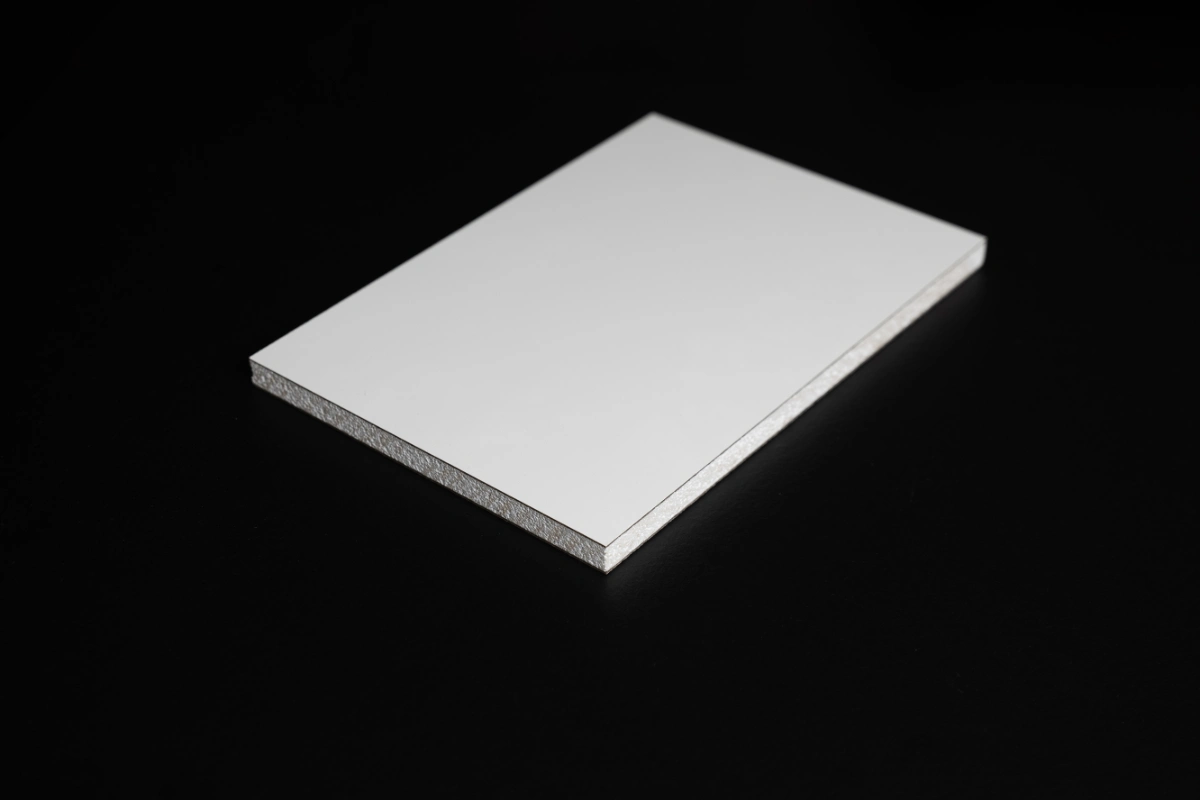
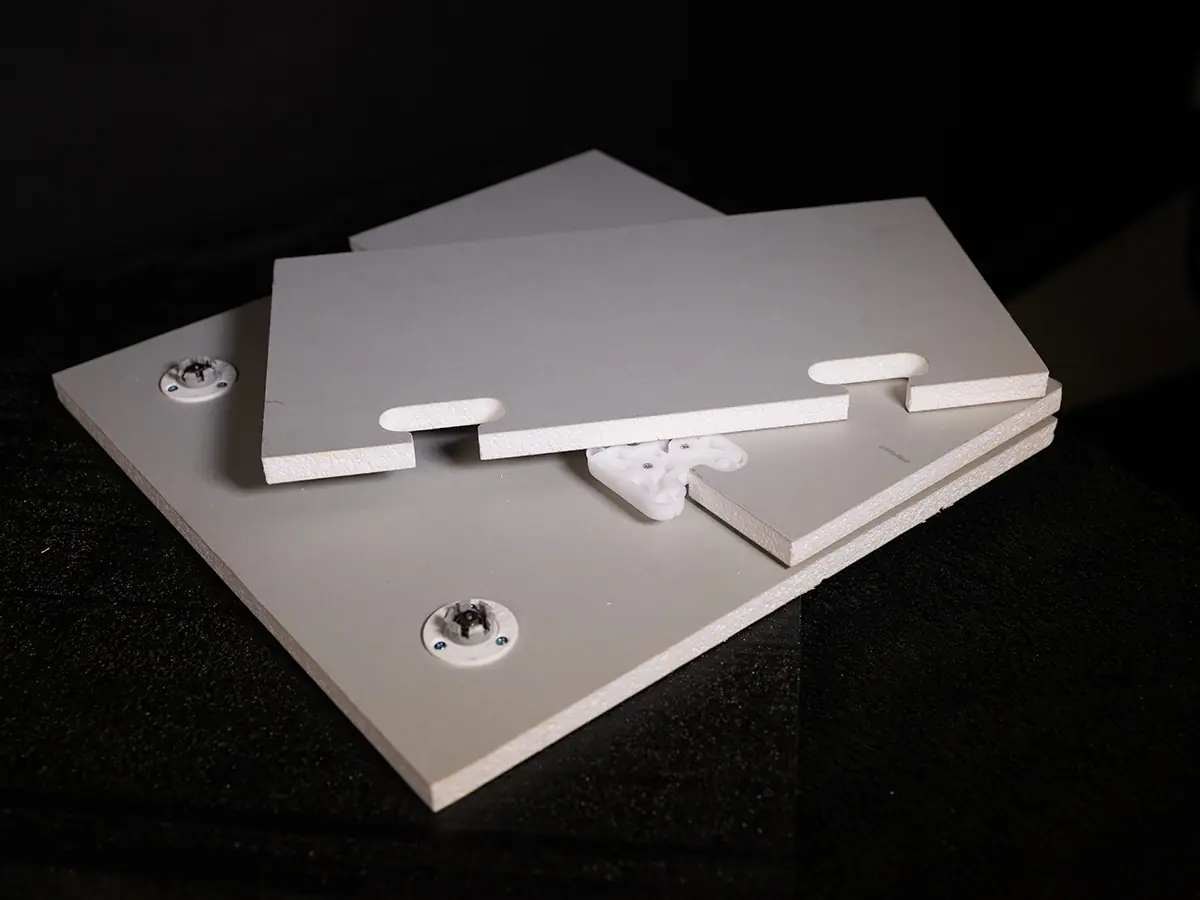
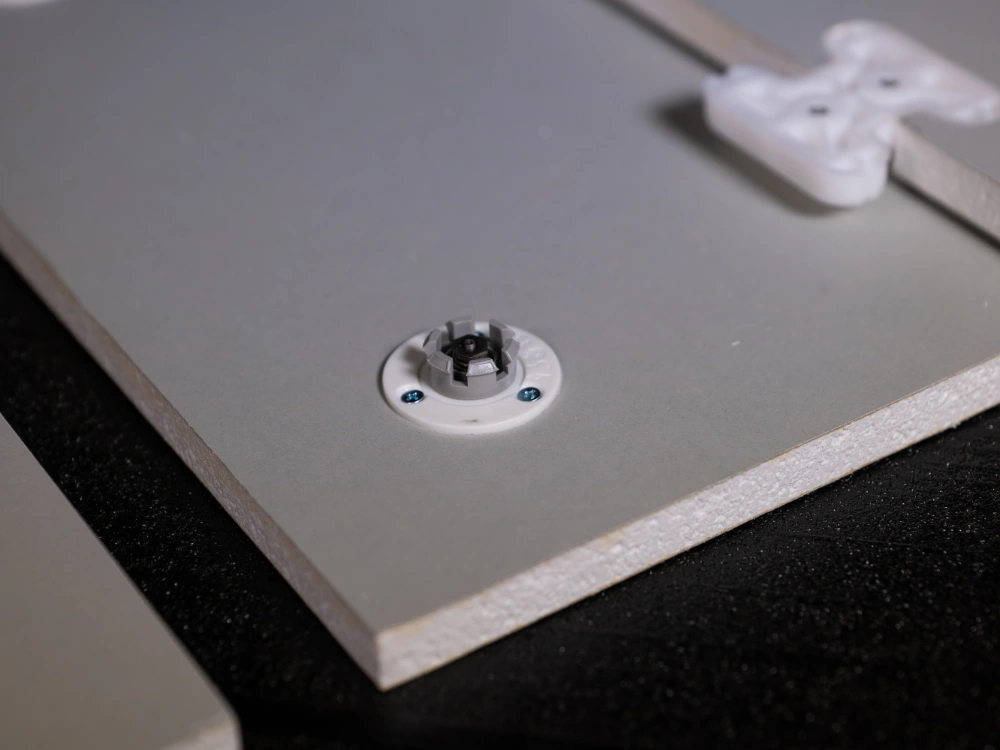
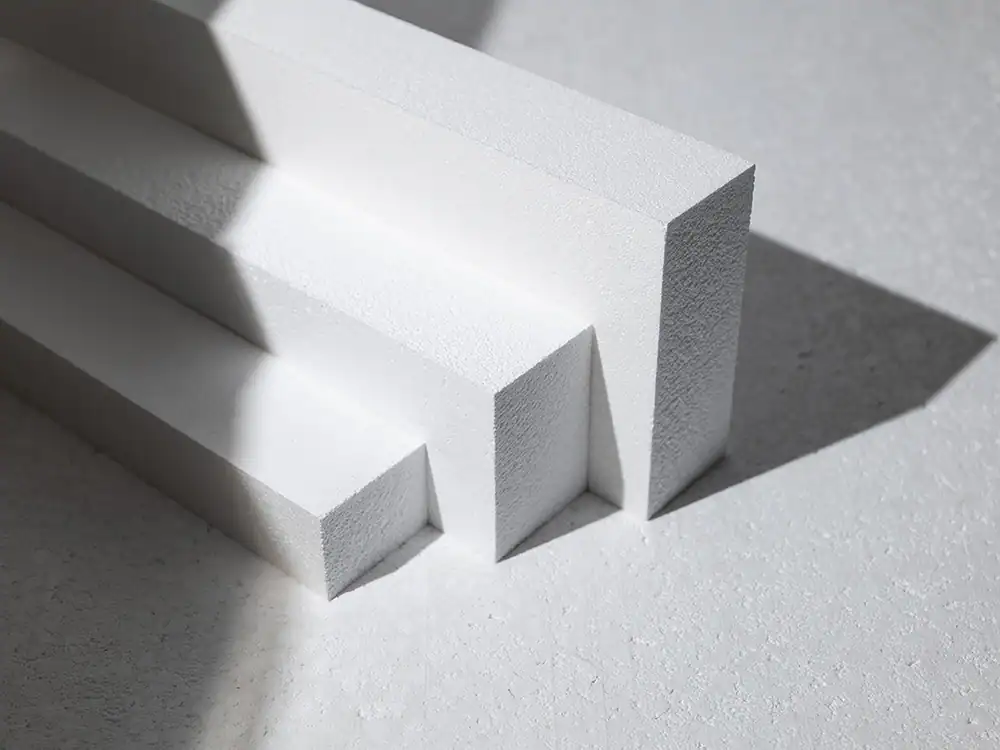
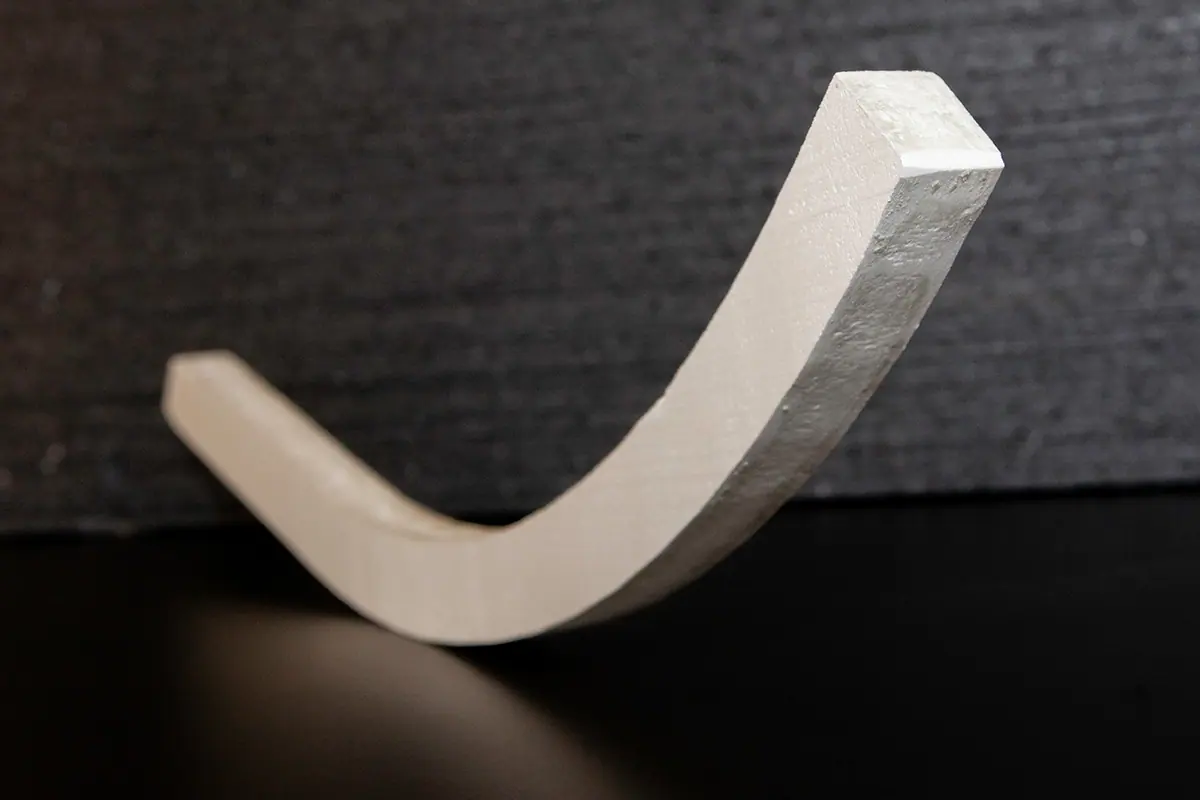
Hull construction
Sandwich construction
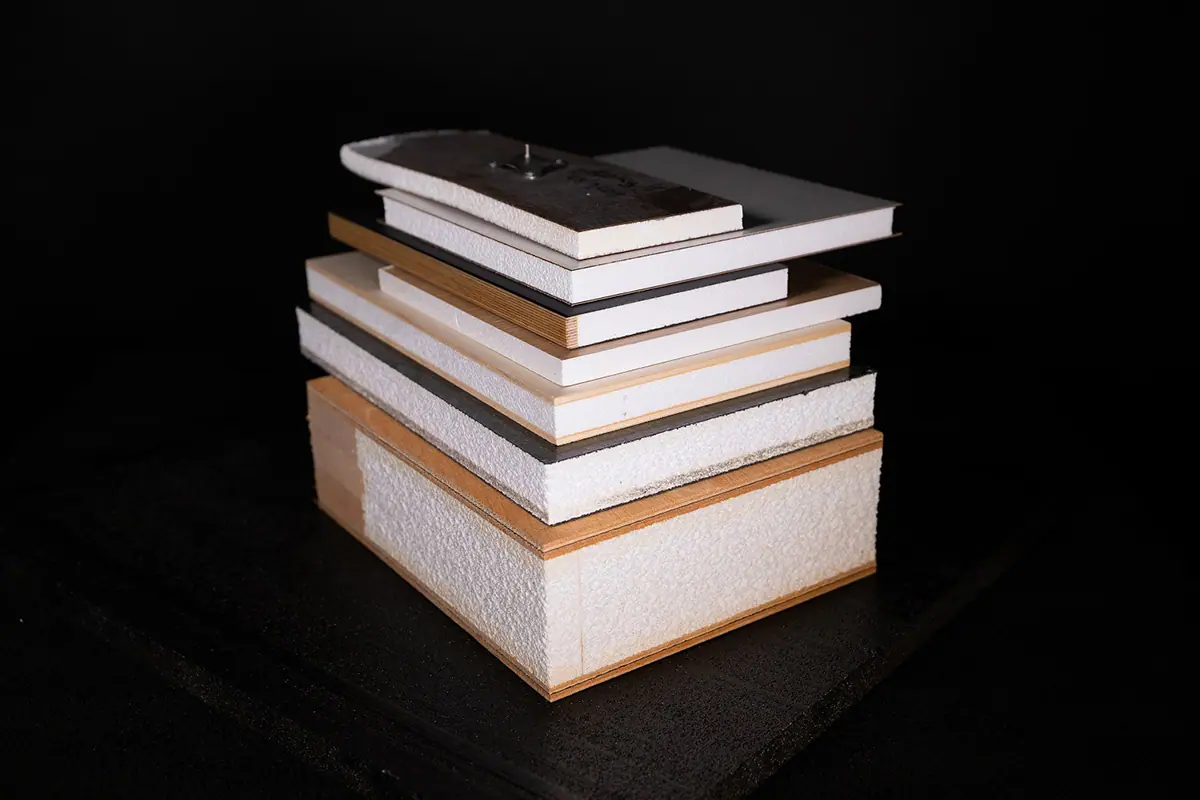
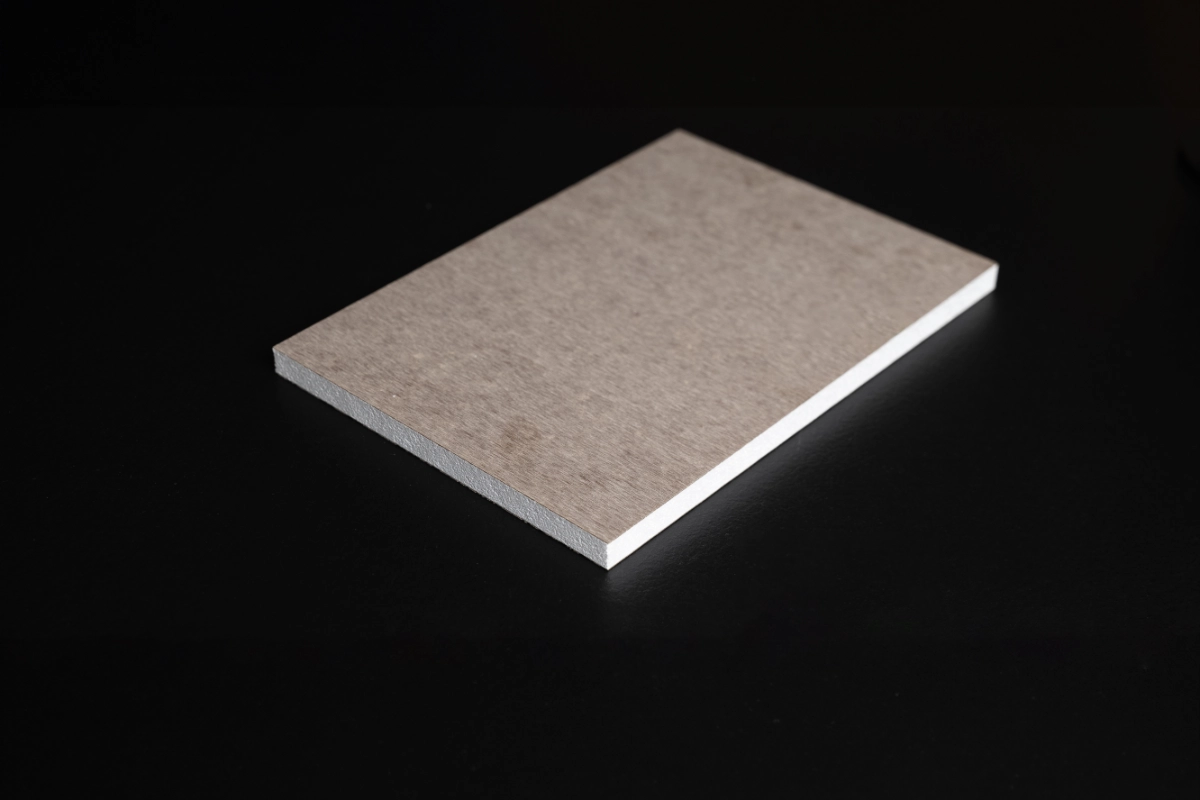
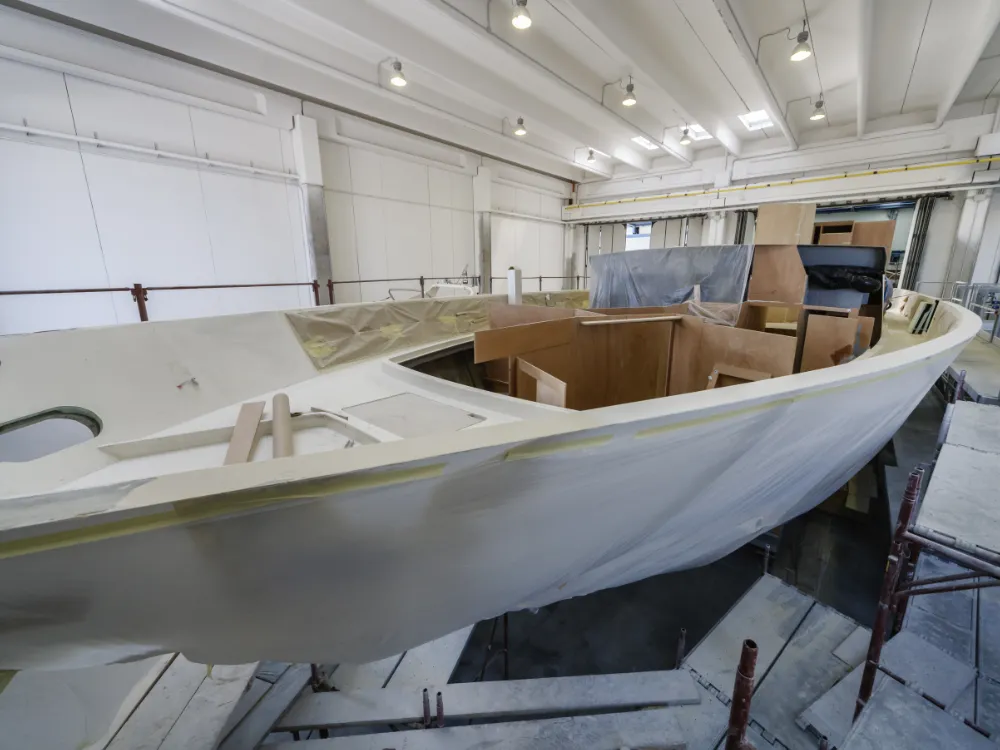
COMPACFOAM as a component transfers peel forces reliably into the GRP cover layers – without creeping, without swelling, without deforming under heat. Unlike balsa wood, the material remains dimensionally stable even when exposed to moisture.
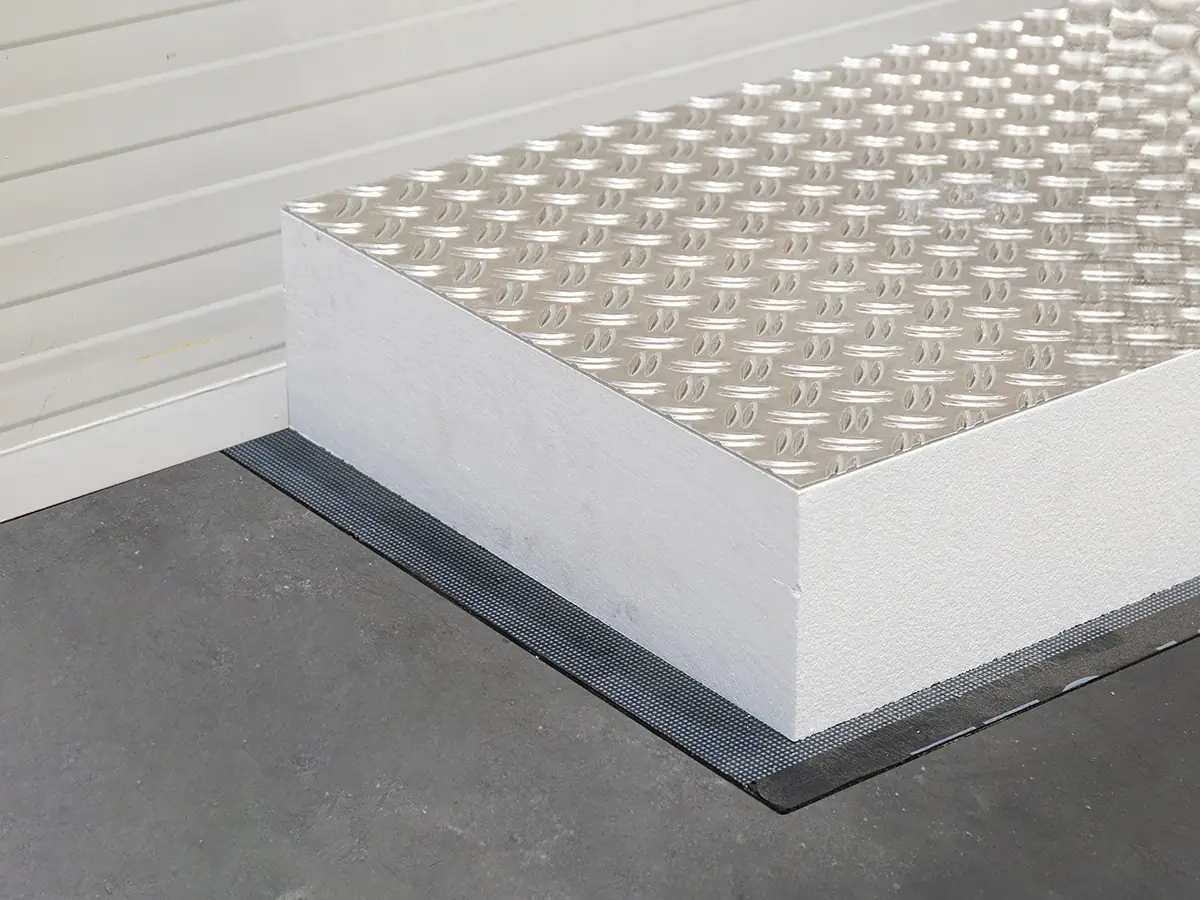
Core material for GRP sandwich structures
Bulkheads and reinforcing structures
Mast foundations and fitting fixings
Cockpit and deck superstructures
No moisture risk – does not swell, does not rot
Excellent peel force transmission
Outstanding dimensional stability
Direct screwing without dowels
Dimensionally stable up to 90°C
Available in custom thickness and dimensions
100% recyclable – CFeco variant made from recycled material available
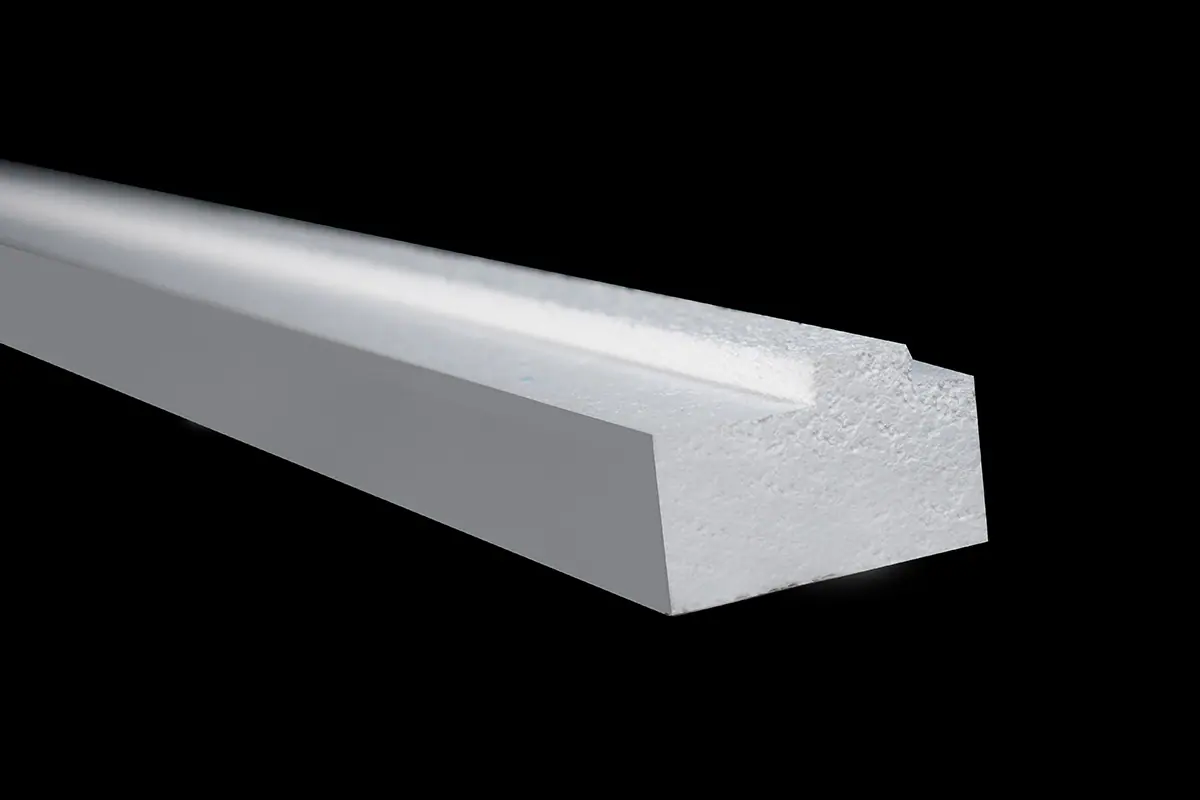
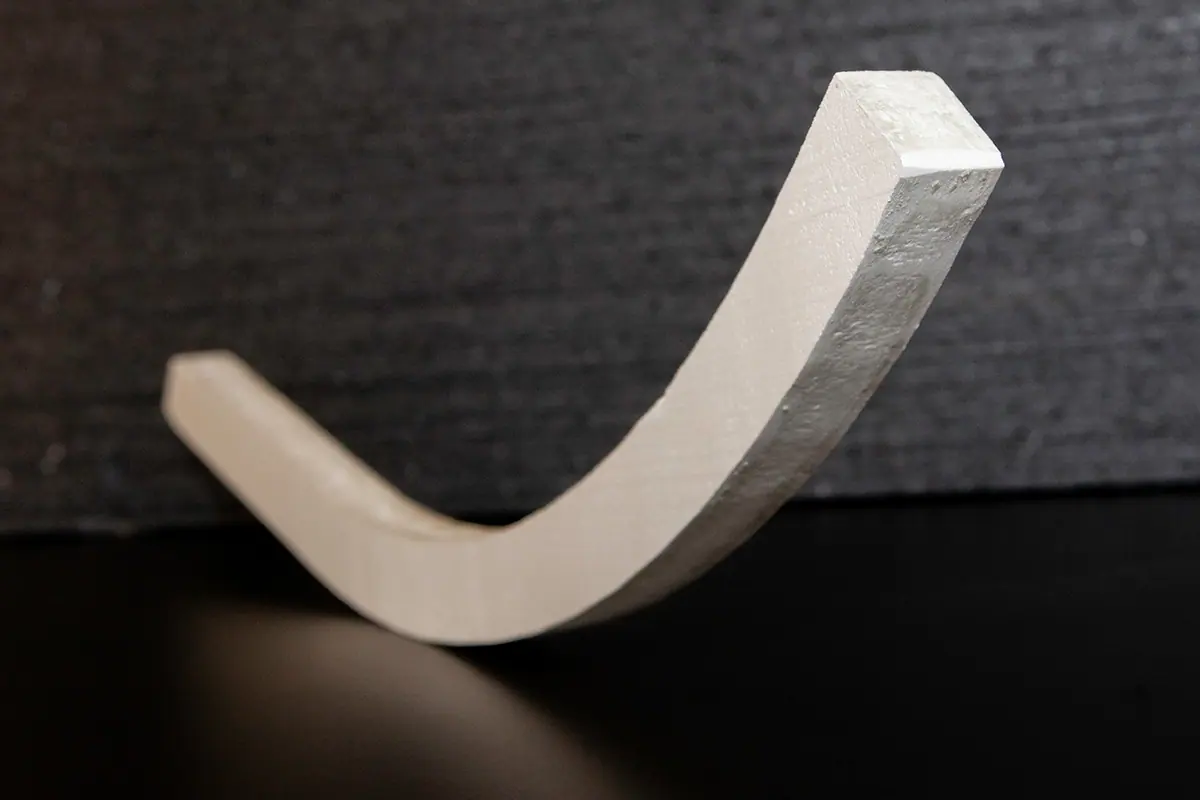
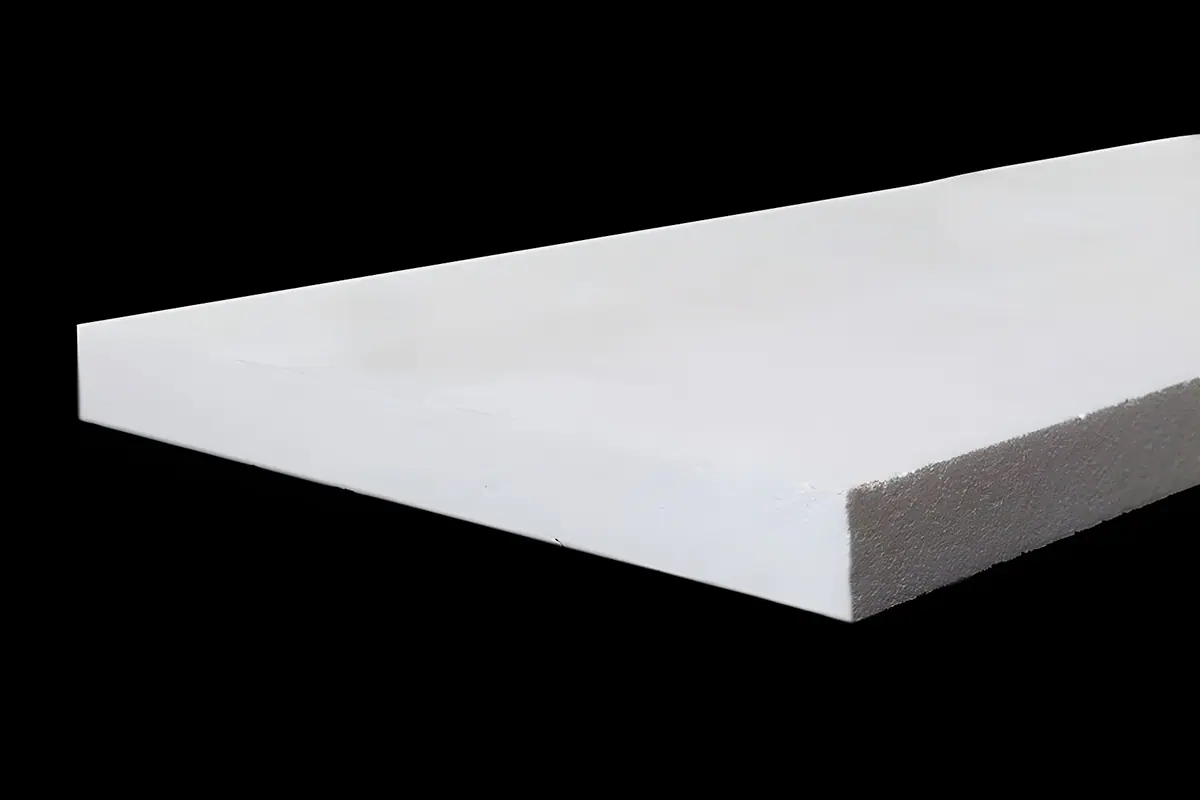
Product comparison
Why COMPACFOAM in yacht building?
Plywood warps. Balsa wood rots when exposed to moisture. PVC foam creeps under sustained load and cannot be screwed directly. COMPACFOAM combines the processing advantages of wood-based panels with the durability of a salt water-resistant, dimensionally stable construction material – for interior fitting and for load-bearing sandwich constructions.
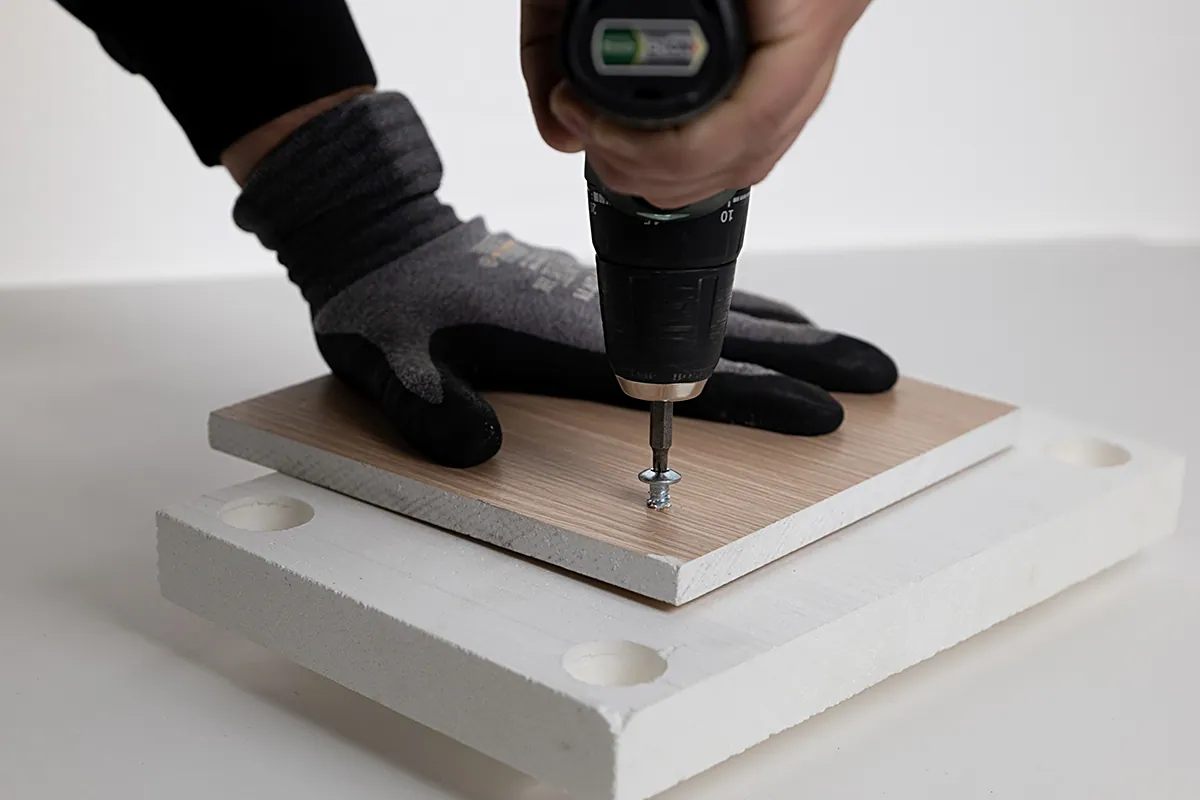
Screwability
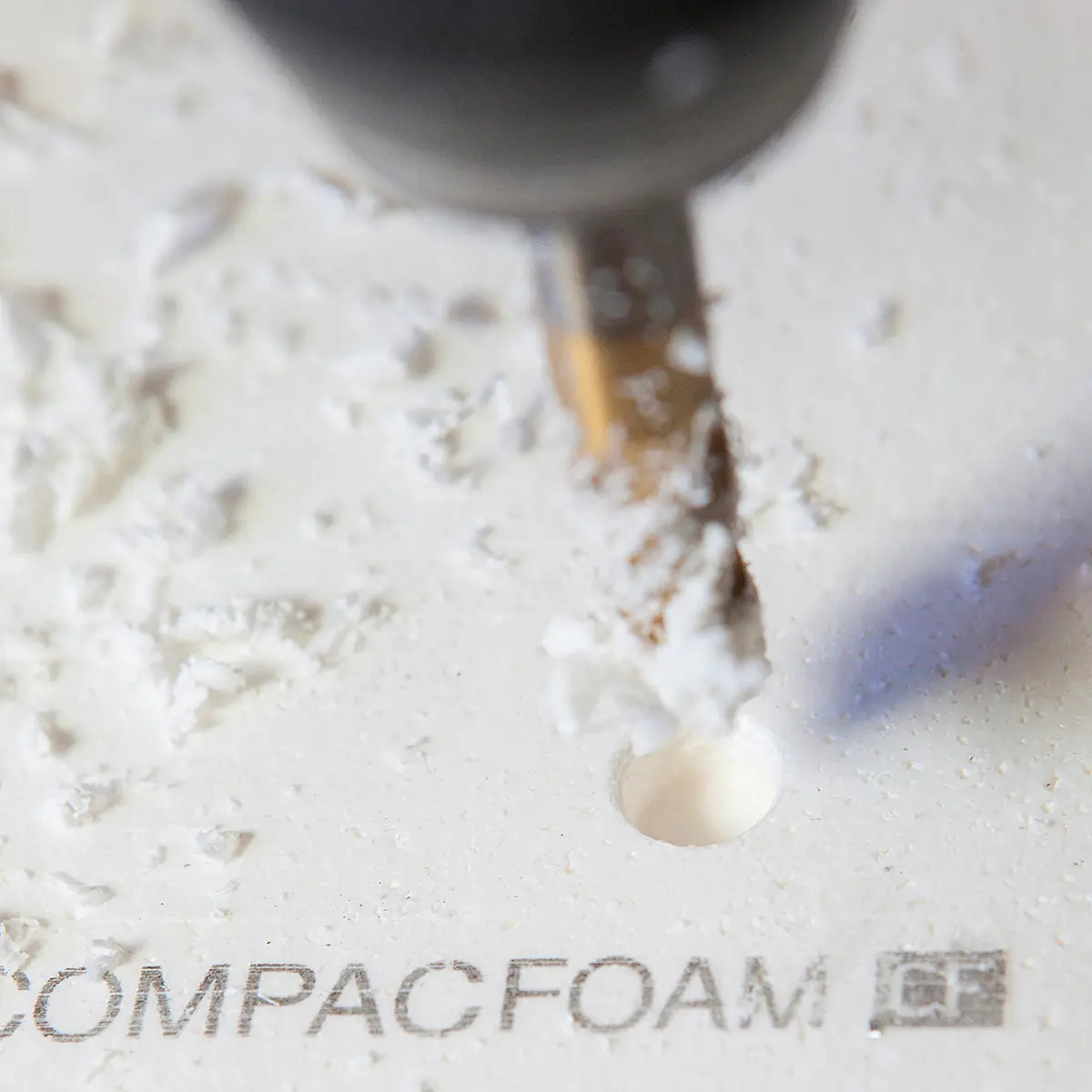
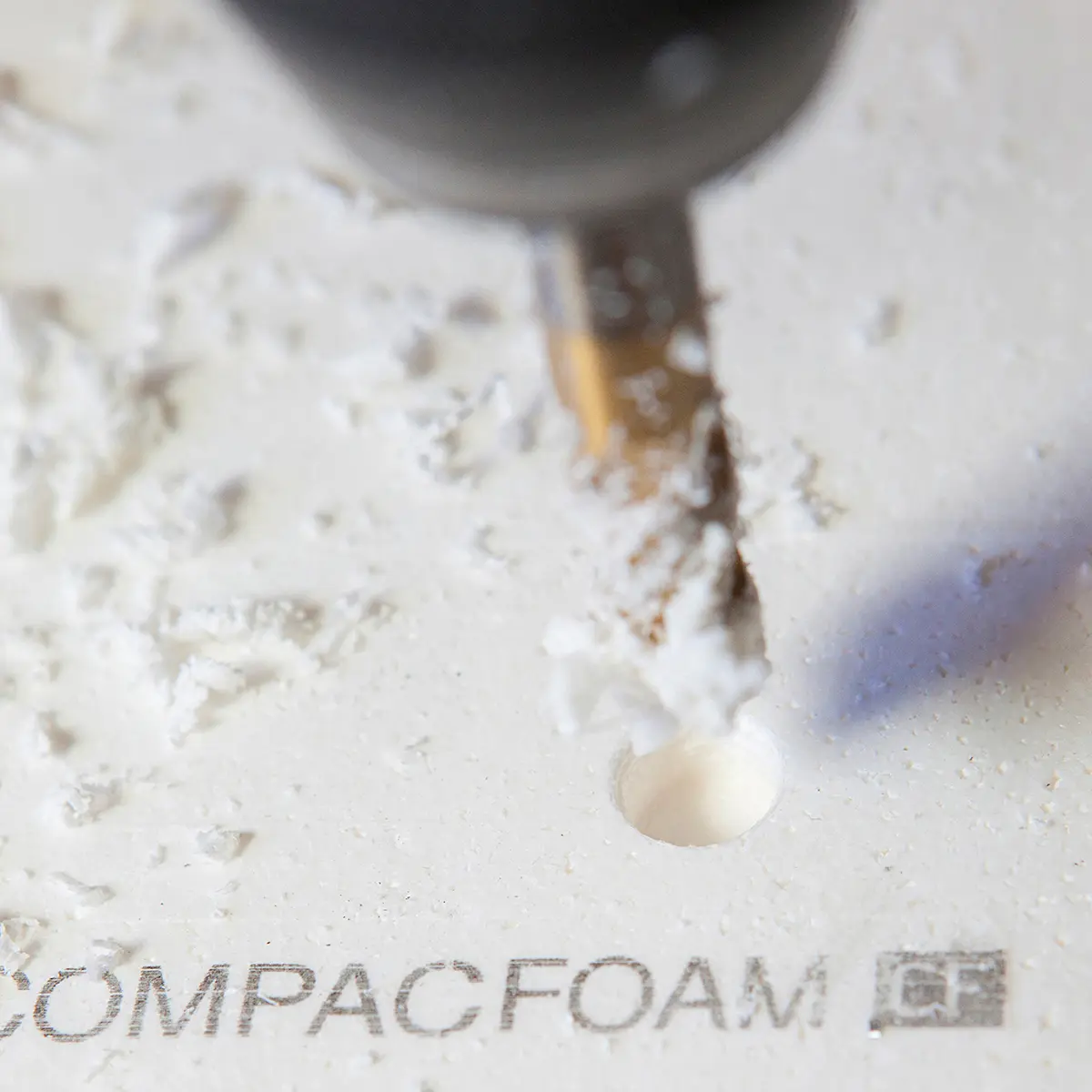
Directly screwable – without pre-drilling
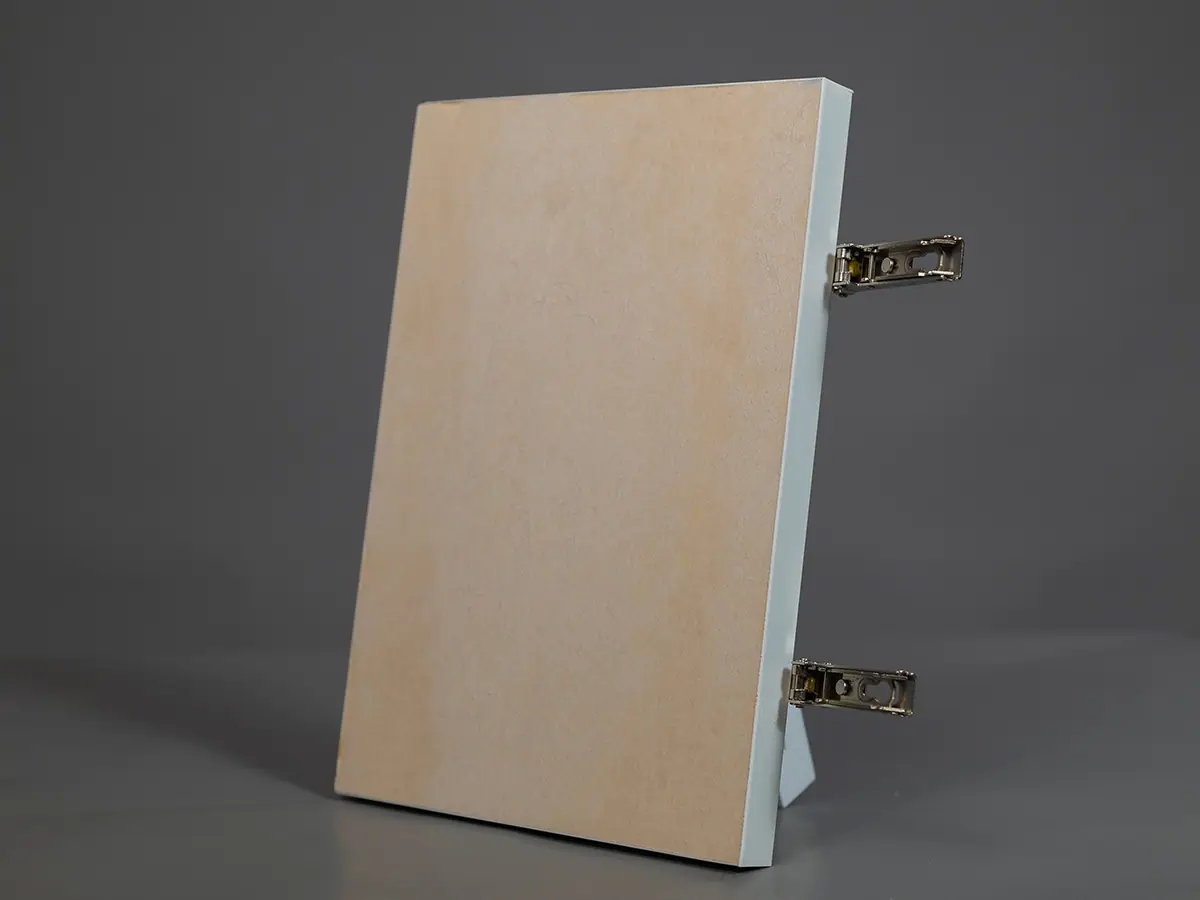
Reinforcing inserts and dowels are eliminated. With COMPACFOAM, a standard wood screw drives directly into the material – without pre-drilling, without tear-out, without chipping. A screw Ø 4 mm holds 350 N in a 15 mm panel – comparable to plywood. Fittings, hinges and drawer runners hold as reliably as in wood-based materials.
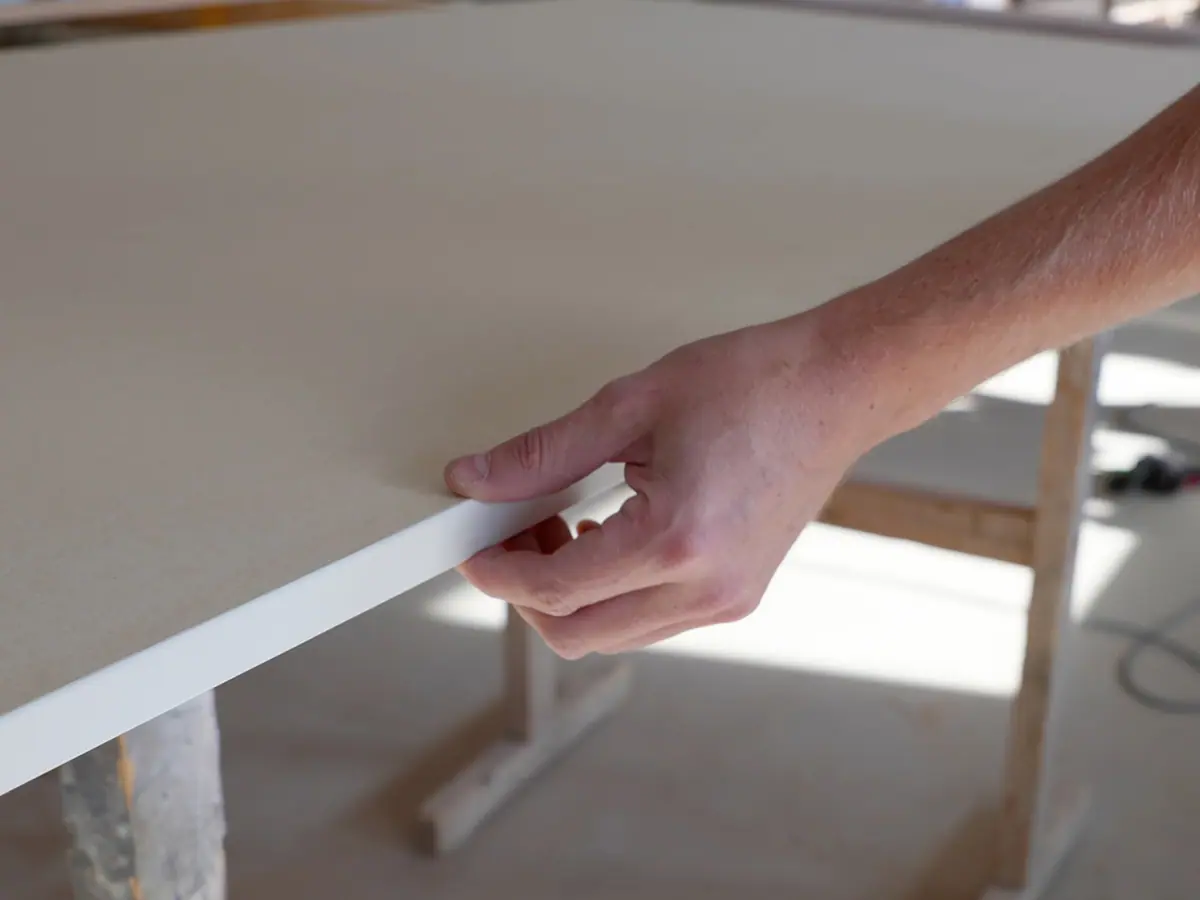
Edge banding
Processing like wood – up to 80°C
Apply edge banding as on plywood or MDF – the same machine, the same adhesive, the same settings.
No pre-treatment, no special tools, no machine reconfiguration.
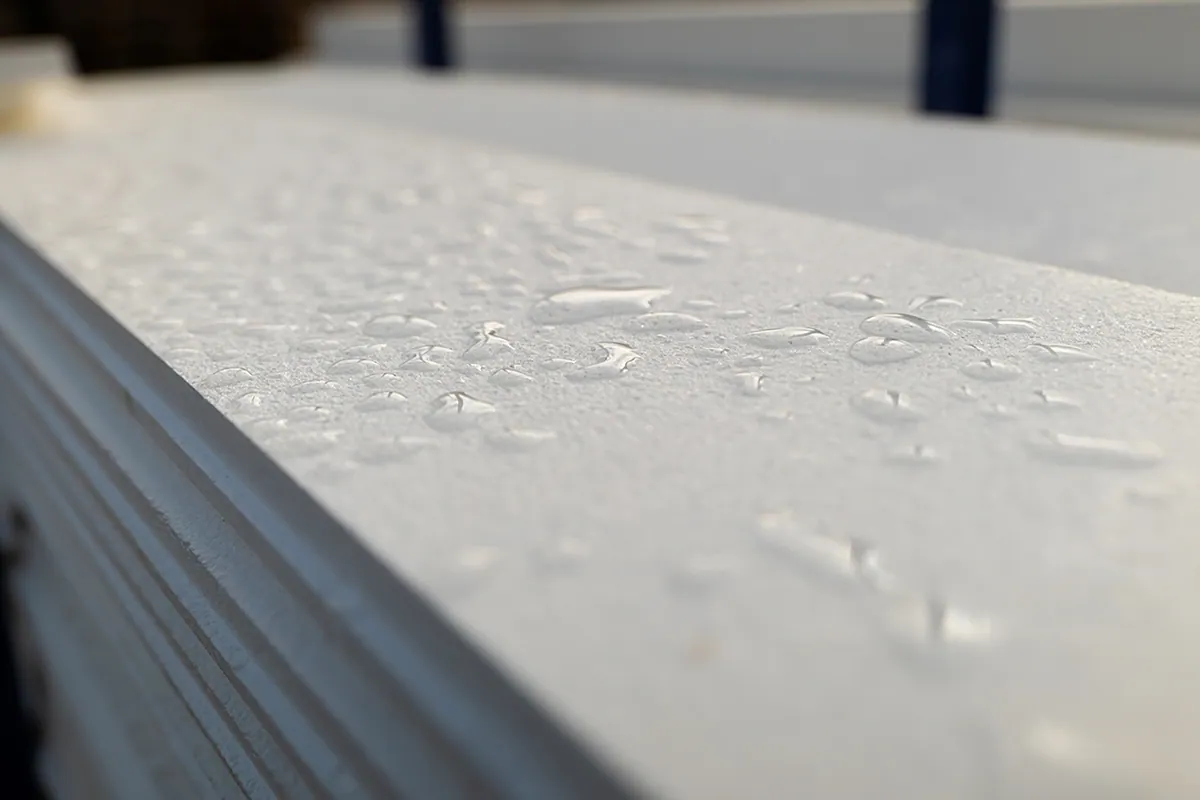
Moisture resistance
No swelling – even with salt water
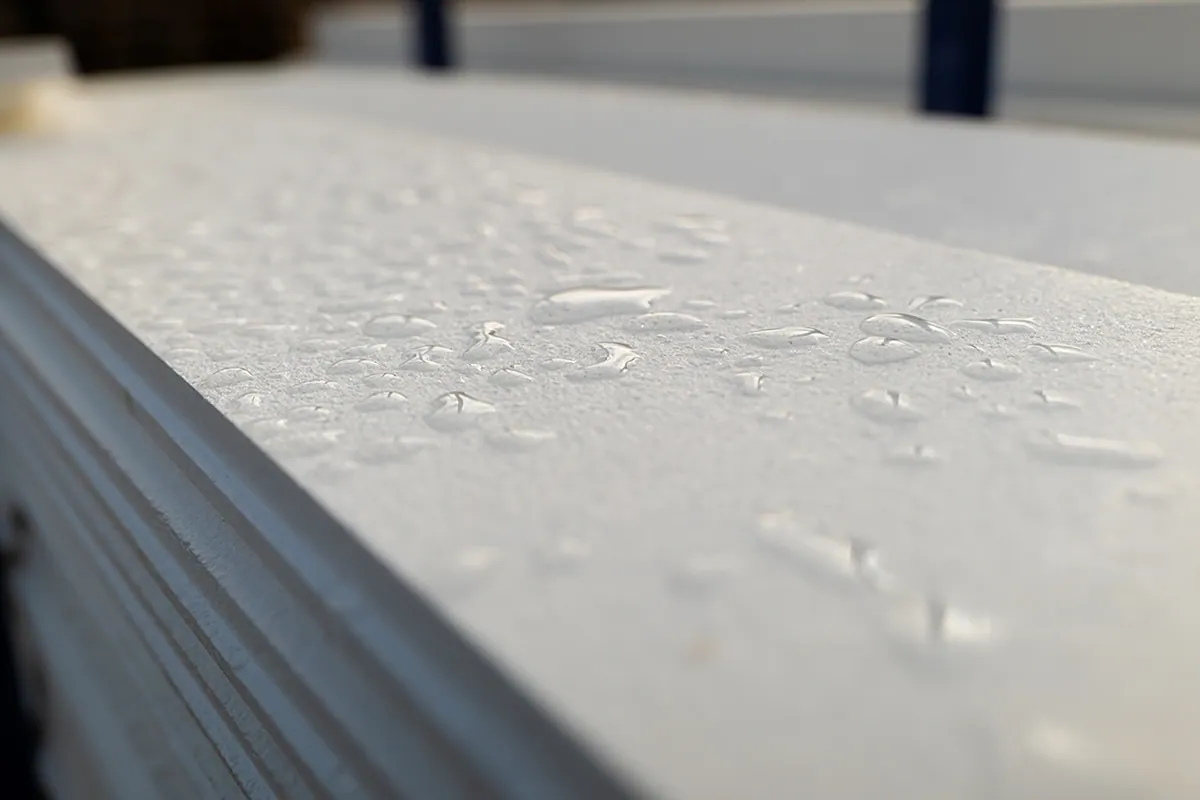
Moisture and condensation are unavoidable in yacht building. With plywood and balsa wood, this means swelling, rotting and costly repairs. COMPACFOAM does not swell, does not rot and does not alter its mechanical properties even under permanent salt water contact.
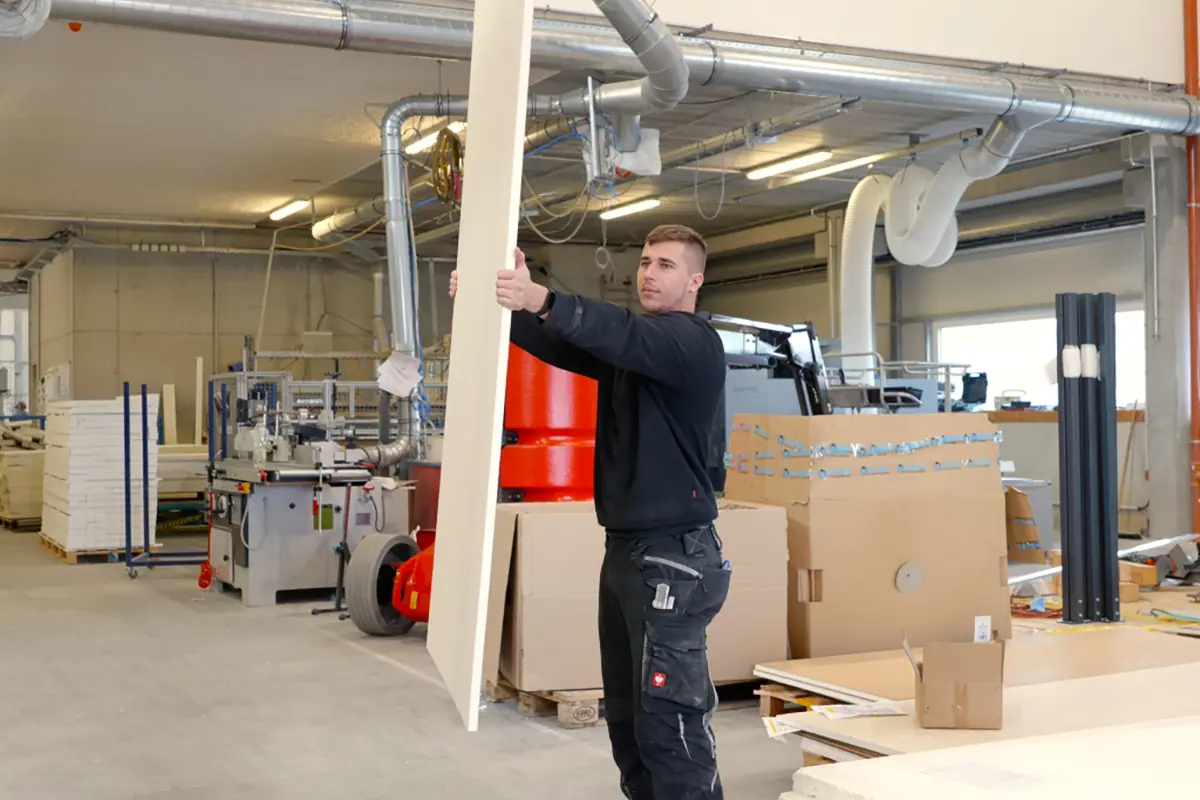
Weight advantage
More usable space on the upper decks – at the same stability
Lighter interior fitting creates room for the most valuable areas of a yacht – the upper decks. Reduced weight also improves stability and draught.
COMPACFOAM CF 200 with surface coating achieves a density of approx. 250 kg/m³ – marine plywood reaches 650–700 kg/m³. This corresponds to a weight reduction of around 60% at the same component thickness.

Milling fittings
CNC-precise – without reinforcing panels
Pot hinges, drawer runners, Lamello connectors, cable ducts – all cut-outs can be milled on standard CNC machines. Dimensional accuracy ± 0.3 mm. No inserted hardwood inserts, no reinforcing panels at hinges – simplified construction, fewer components, faster assembly.
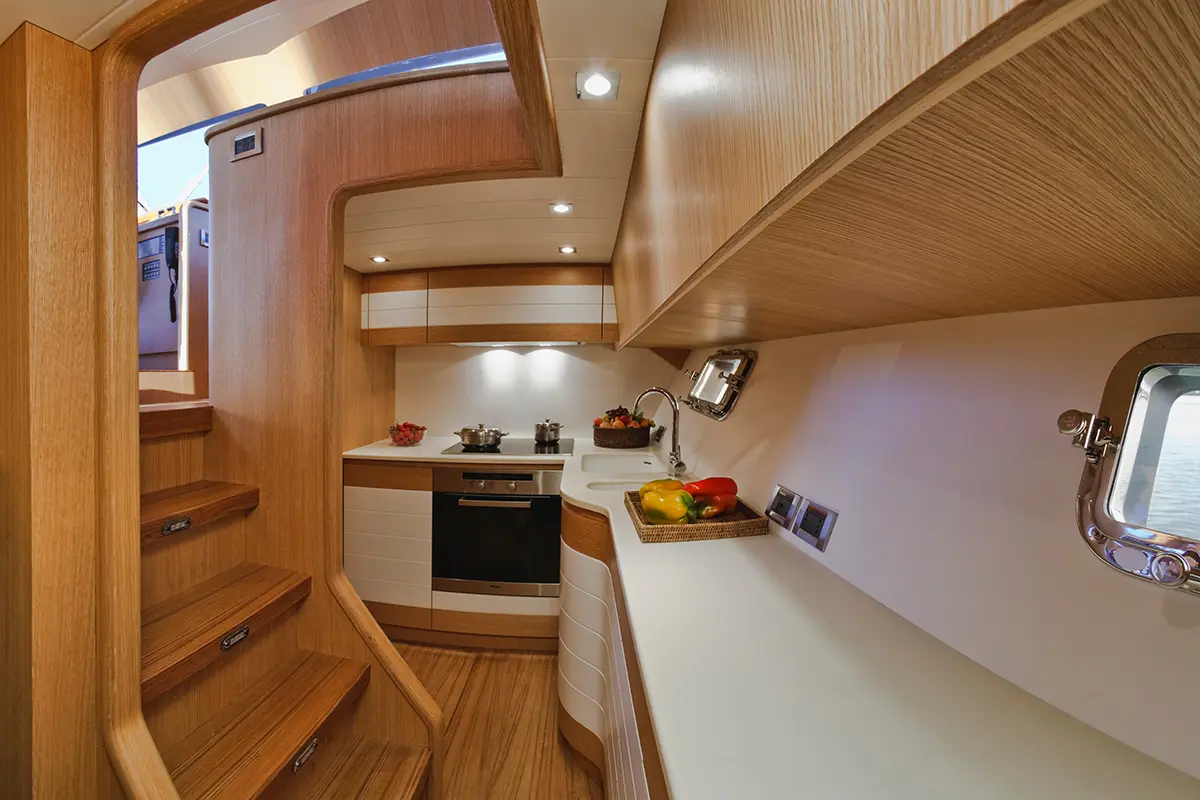
Formaldehyde-free
New EU limits from 2026
In the confined cabin of a yacht, indoor air quality is not a comfort issue. Formaldehyde in MDF and particle board is hazardous to health – from August 2026, the EU will apply tightened limit values of 0.062 mg/m³ for wood-based materials in indoor air.
COMPACFOAM is a single-material plastic: no binders, no outgassing, formaldehyde-free.
*Regulation (EU) 2023/1464 adds Entry No. 77 to Annex XVII of the REACH Regulation, introducing stricter restrictions on formaldehyde emissions.
Technical information







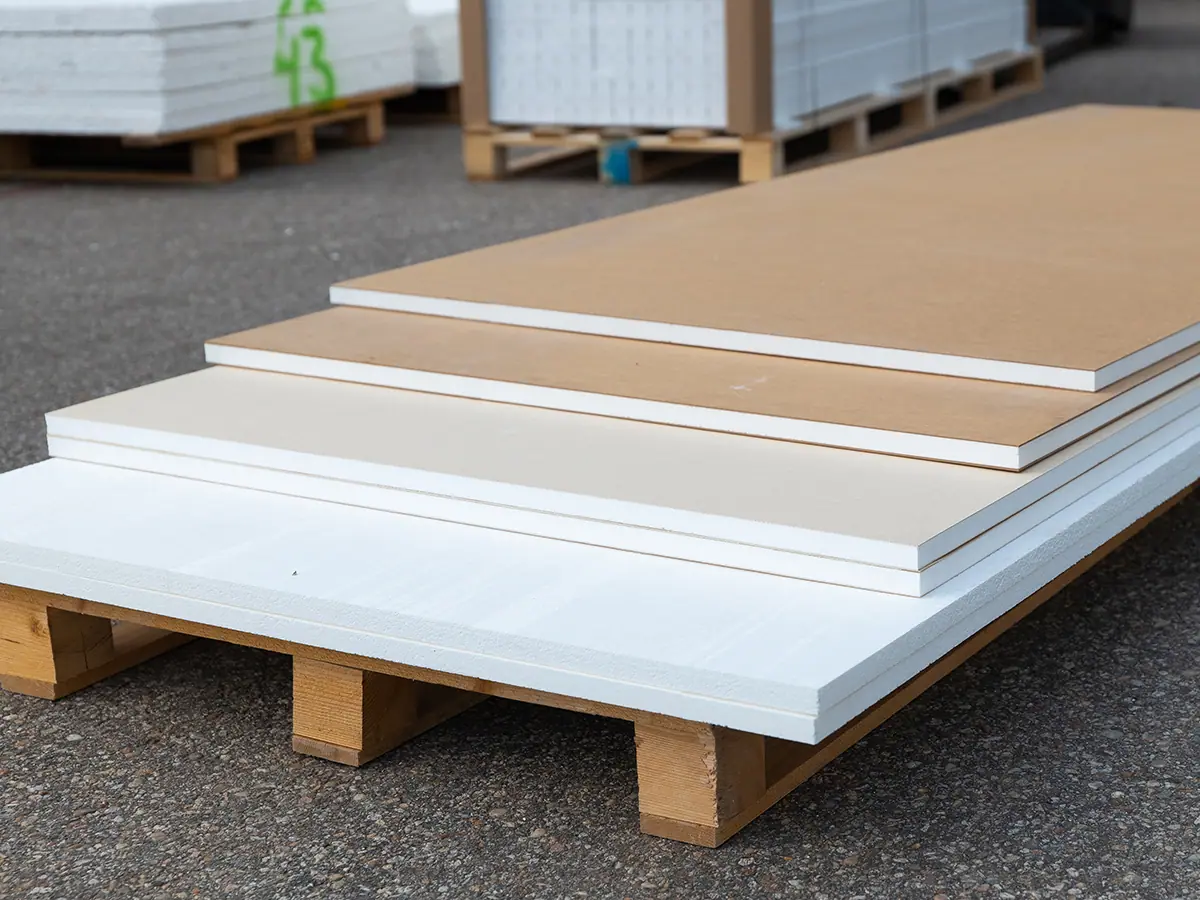
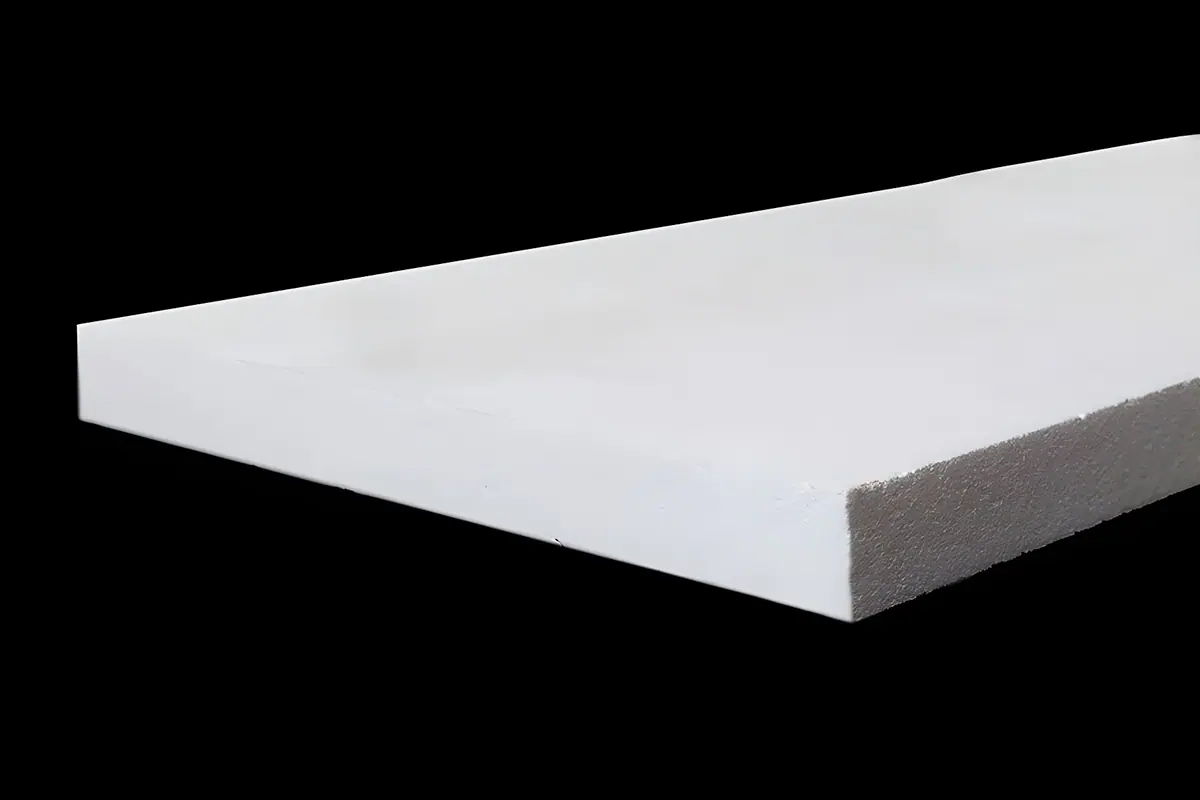
COMPACFOAM is supplied in two fundamentally different product groups – with different dimensions and different production logic. Confusion leads to incorrect expectations, so here is the clear distinction.
Cores for sandwich panels for ship interior fitting
Standard formats:
1.220 × 2.440 mm & 1.300 × 3.050 mm
Maximum format: 1,320 × 4,500 mm
(on request up to 6,000 mm length)
Thickness: 8 mm bis 100 mm
Standard formats: see products
ground ± 0.1 mm – for perfect sandwich quality.
Up to 30% of material costs in interior fitting are offcut waste. COMPACFOAM is manufactured to your cut-to-size dimensions – no waste, custom dimensions often cheaper.
The core is matched precisely to your surface material – for sandwich structures it can be manufactured 10 mm larger all around than the cover layer, for clean edges without reworking.
Standard panels for self-cutting are also available.
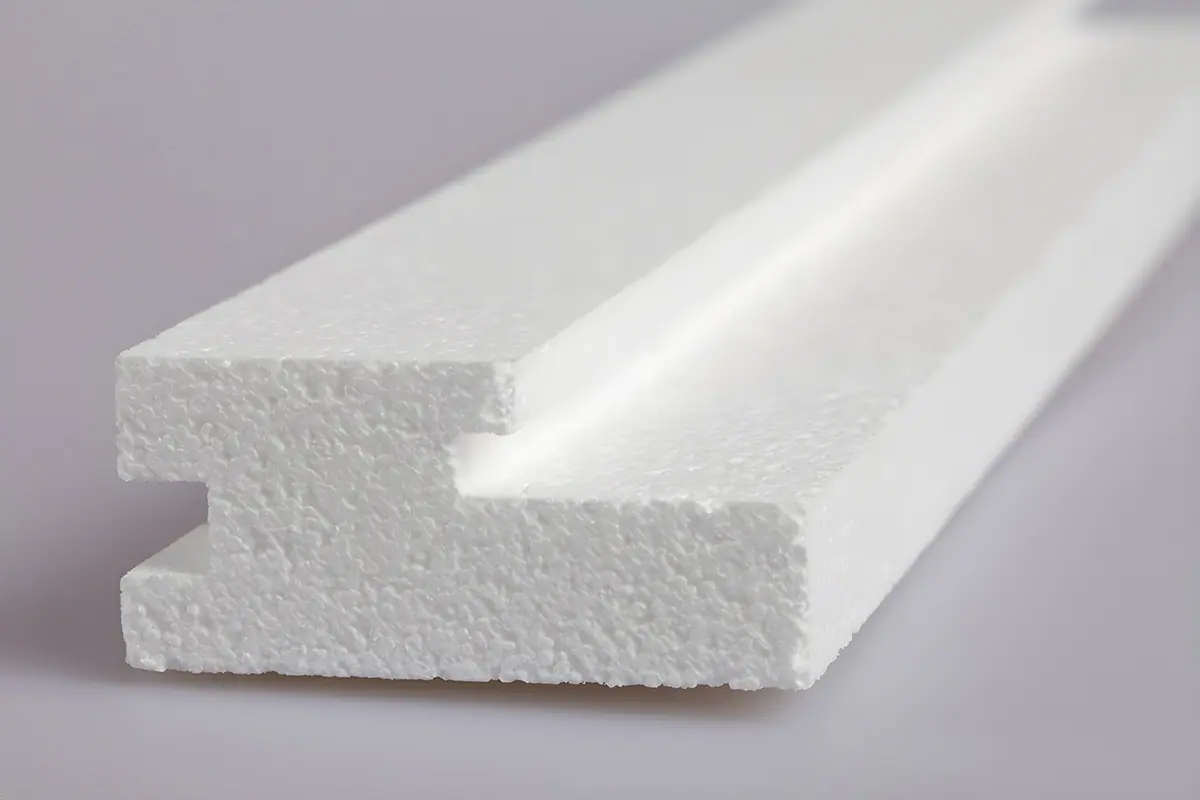
Components for hull and deck constructions
Minimum format: 20 × 20 × 40 mm
Maximum format: 1.400 × 300 × 6.000 mm
Standard tolerance depending on processing:
sawn ± 0.4 mm · planed ± 0.4 mm · CNC-milled ± 0.3 mm
These components have different production dimensions than the interior fitting panels – the dimensions are not interchangeable.
Up to 30% of material costs are offcut waste. COMPACFOAM is manufactured to your project dimensions – no waste. Our production technology makes project-specific dimensions possible without significant additional effort.
Standard formats for self-cutting are also available.
Bonding and laminating
Standard PU and epoxy adhesives work for sandwich structures without any further adjustments. The surface of COMPACFOAM requires no pre-treatment – no sanding, no priming, no activation. All common system adhesives used in the boatbuilding industry are compatible.
Sawing
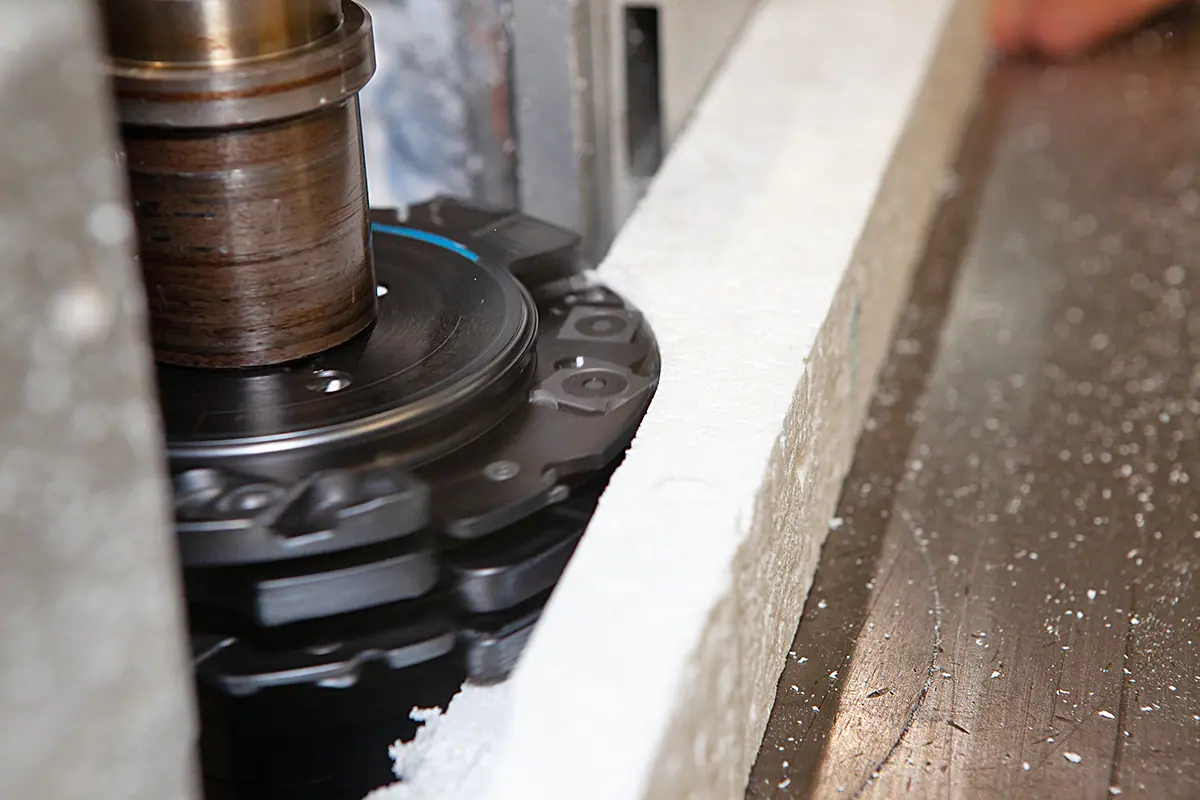
COMPACFOAM can be easily cut using standard circular saws, pressure beam saws or hand-held circular saws. Important: use saw blades with wide tooth spacing and sufficient chip clearance. → View recommended saw blade
Milling
COMPACFOAM has extremely low abrasiveness – machining is done with affordable wood milling cutters or blanks in standard HS quality. Expensive diamond-tipped tools, as required for some PU composite materials on the market, are not needed at all. This means significantly lower tooling costs when producing milled profiles.
Test COMPACFOAM in your project
The material convinces in direct comparison – not in the brochure. Order a sample panel in the format 1,210 × 610 mm, screw it with your own screws, apply edge banding on your own machine. Then decide.
Fast delivery:
Your sample panel will reach you within a few days directly at your shipyard or office. Payment by credit card, PayPal or EPS.
Choose your variant:
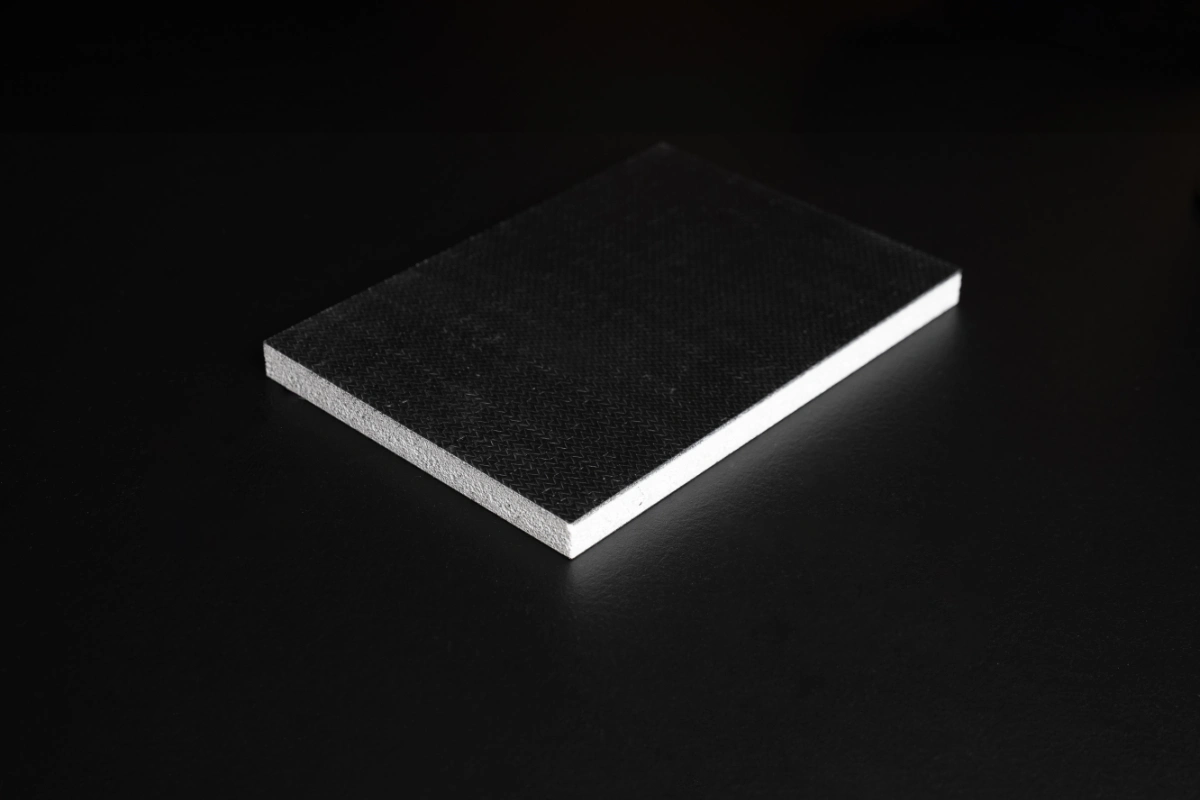
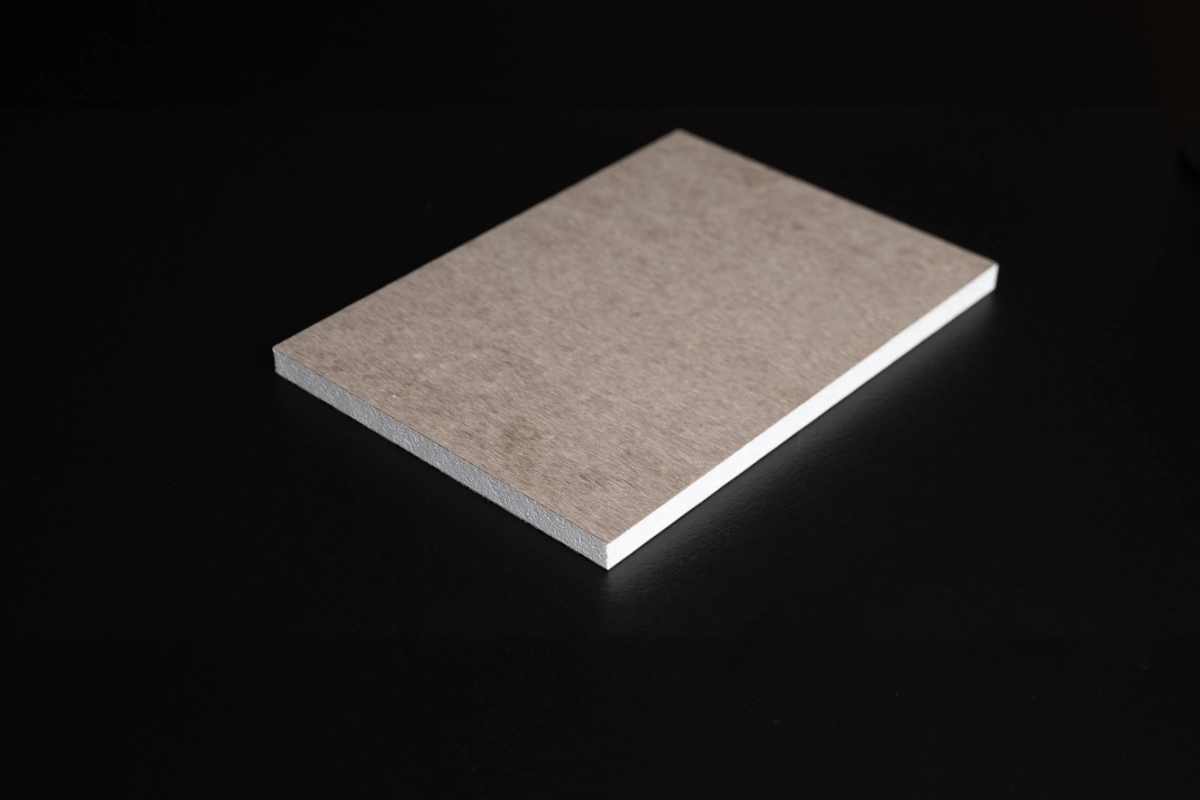
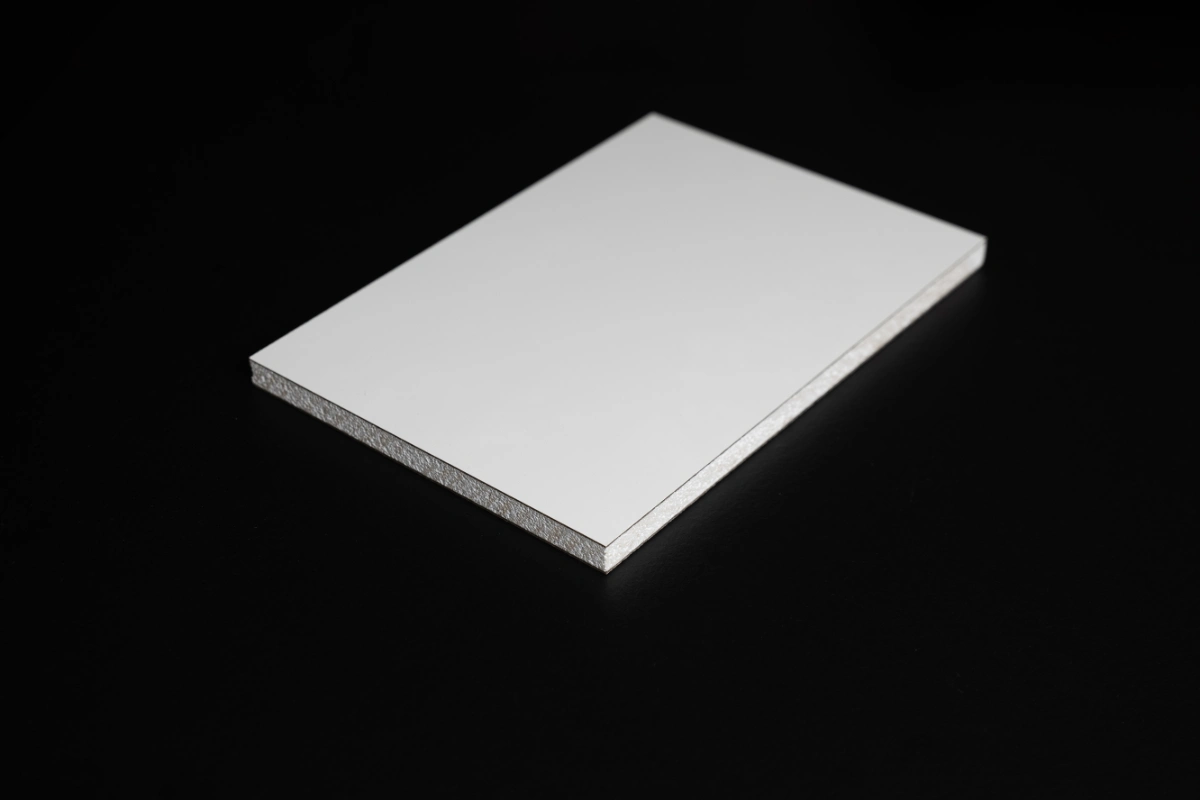
The right material thickness and surface for your application – so you can find the optimum solution for your project even before placing a bulk order.
Data sheets
Customer testimonials
“The material is incredibly light, which helps us to maximize the payload without compromising on stability.”
Markus L.
Production manager
“Always dimensionally stable even at extreme temperatures – a real improvement.”
Simone B.
Managing Director
“The material can be processed like wood, so we didn’t need any expensive machines or changes in production.”
Stefan H.
Design engineer
Videos
Click the button below to load YouTube content. This will share data with third-party providers.
More InformationCOMPACFOAM – structural lightweight panels. Dimensional stability
Click the button below to load YouTube content. This will share data with third-party providers.
More InformationStructural lightweight sandwich panels. Milling of hardware connection elements
Click the button below to load YouTube content. This will share data with third-party providers.
More InformationLightweight structural panels Lamello fasteners
Tested at










FAQ – Frequently asked questions about COMPACFOAM in yacht building
Yes, the freedom from warping is measurable. In contrast to PVC or PUR foam boards, which tend to warp when exposed to temperature fluctuations and moisture, COMPACFOAM remains permanently straight, even with large-surface components. This property has been confirmed in years of maritime use.
Permanently resistant without swelling. Unlike plywood or balsa wood, COMPACFOAM does not absorb salt water and does not rot. Dimensional stability is maintained even when in direct contact with water in wet rooms.
Comprehensive technical documentation available. COMPACFOAM has building law certificates and test certificates for maritime use. The complete documentation is provided with the delivery.
Yes, with standard tools. Sawing, routing, drilling and sanding all work with standard woodworking tools. CNC processing is also possible without any problems. There are no additional tool costs.
No, standard fastenings are sufficient. COMPACFOAM can be screwed directly with standard wood screws – without reinforcing elements. Standard PUR or epoxy adhesives work for gluing.
Yes, customized solutions possible. COMPACFOAM can be supplied in excess lengths and special widths according to customer requirements – ideal for impact-free constructions.
The overall calculation shows clear advantages. The additional price is amortized through weight savings, reduced reworking and longer durability. Added to this are savings in transportation and handling due to the lower weight.
Depending on the application, 30-50% less weight. Significant weight reductions are possible for furniture and partition walls. This improves sailing characteristics and reduces fuel consumption on motor yachts.
Yes, without restrictions. Pot hinges, pull-outs and other fitting systems can be installed as usual. The high strength of the core material makes additional reinforcements superfluous.
Simple repair using standard methods. Minor damage can be filled and repaired in the same way as wood. In the case of major damage, sections can be replaced and seamlessly inserted.
Yes, formaldehyde-free and without outgassing. COMPACFOAM contributes to healthy interiors – an important aspect in the confined space situation on board.
Unlimited durability under normal conditions. The material shows no signs of ageing due to salt water or temperature fluctuations. Reference projects prove the long-term stability.
Yes, sample material is also available. We are happy to provide sample panels for testing and sampling. This allows you to check the processing properties in advance.
Comprehensive application technology included. Our team provides support with material selection, dimensioning and processing technology. Our advice is geared towards the practical requirements of yacht building.
Short delivery times even for special dimensions. Standard dimensions are available from stock. Custom-made products are scheduled on a project-specific basis.
Flexible adaptation to structural requirements. The panel thickness is adapted precisely to the required wall thickness and load. Due to the high strength, thinner structures are often sufficient than with other materials.
We are here for you!
Take advantage of the benefits of COMPACFOAM. Let our experts advise you and find the perfect solution for your requirements.
Request now